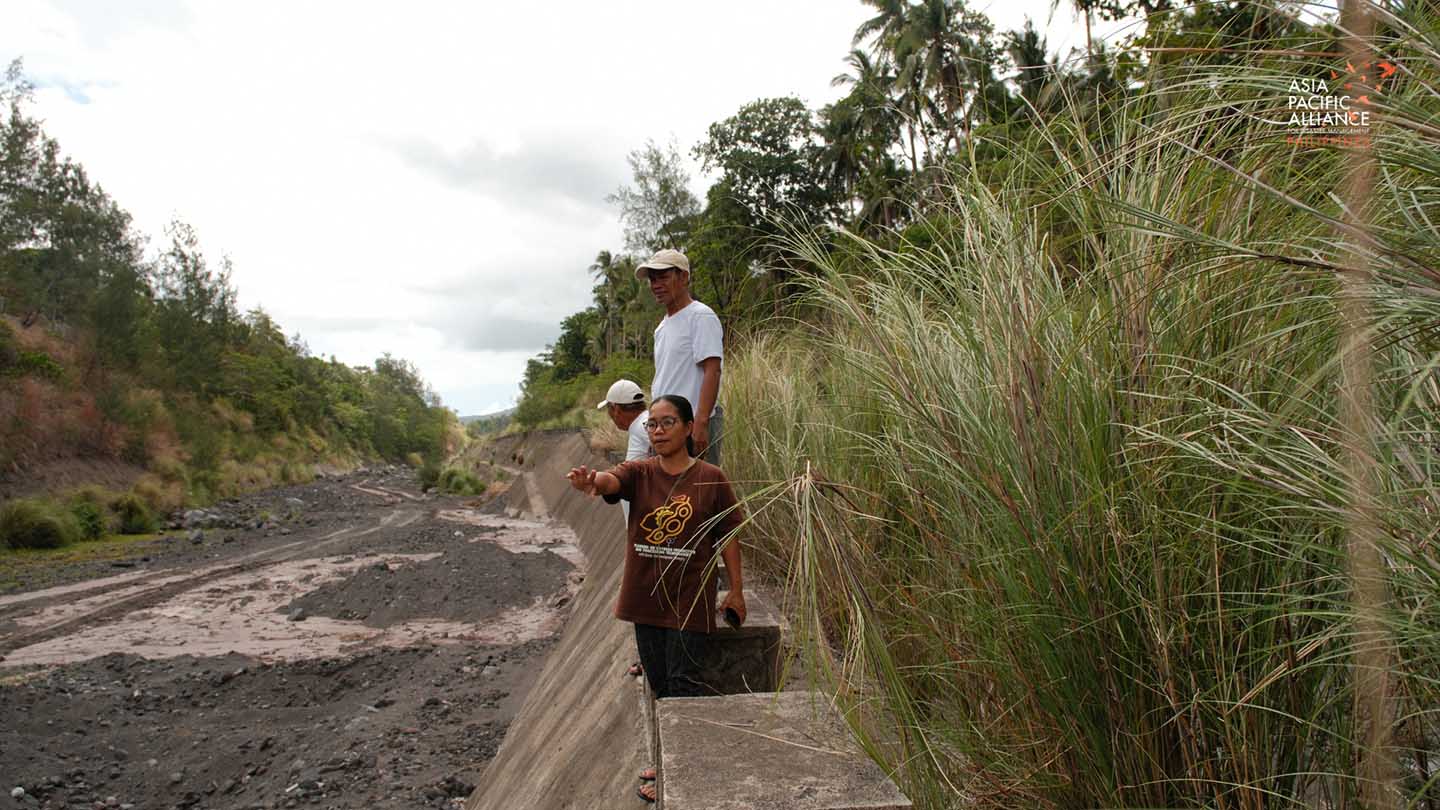
Cover Photo: Affected farmers from Brgy. Budiao and Brgy. Mi-isi inspected the foot of a gully now heavily laden with volcanic debris, raising concerns over heightened risks of lahar flow and flooding as unrest from Mayon Volcano continues.
“Back to zero” is how most farmers describe their conditions, as they face compounded impacts of the Mayon unrest in Albay, Bicol.
Since the onset of volcanic unrest and minor eruptive activity of Mayon Volcano in January, vulnerable communities across Albay have continued to face displacement, disrupted livelihoods, ashfall, and increasing anxieties. The situation intensified further following increased volcanic activity and ashfall incidents on May 2 and 13 that affected several municipalities surrounding the volcano.
In response, A-PAD Philippines, together with Human Resource Network (HRN) Bicol volunteers, conducted a rapid community assessment in the municipalities of Camalig, Guinobatan, and Daraga to identify urgent humanitarian needs and possible areas for support.
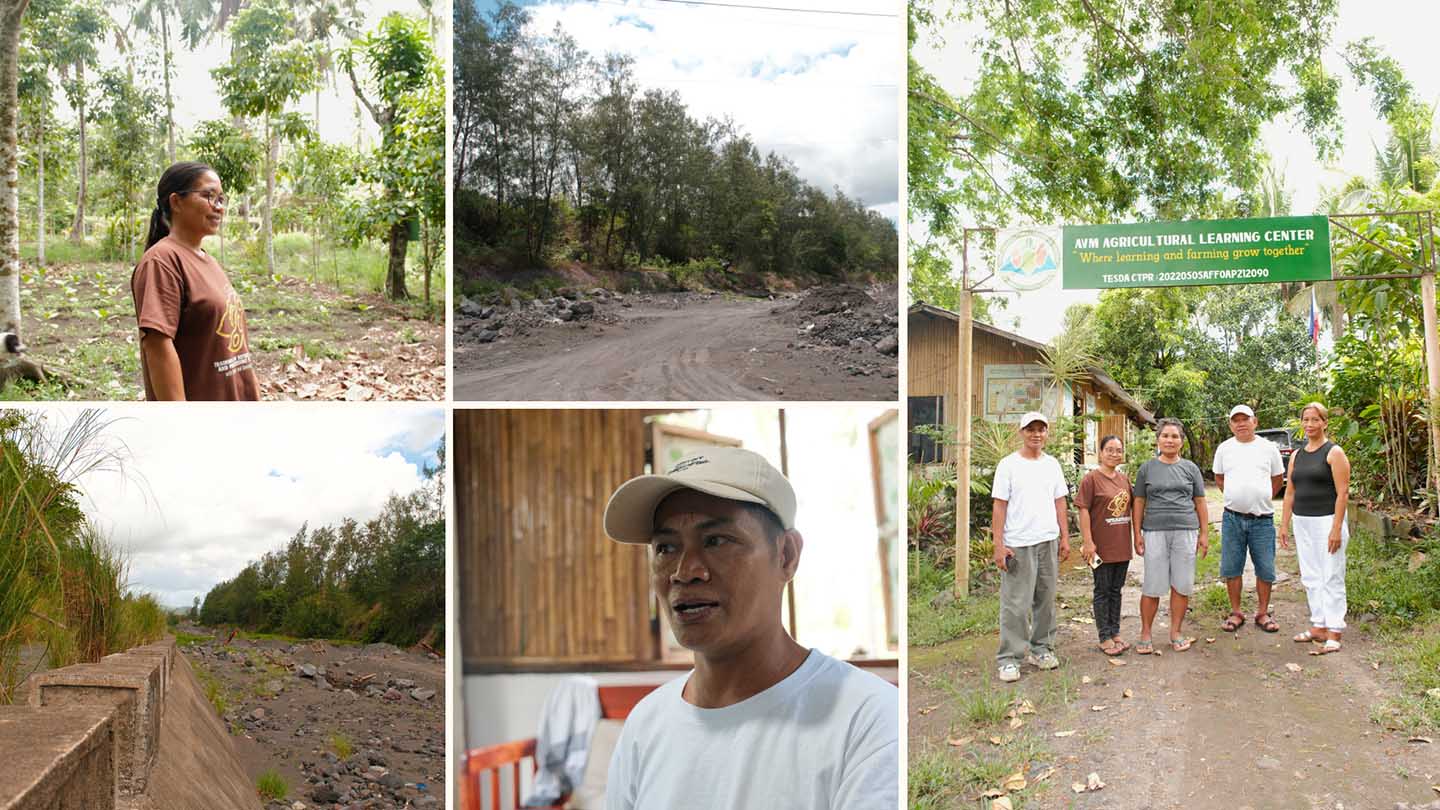
Photo Collage: Farmers from Brgy. Budiao and Brgy. Mi-isi take part in a needs assessment and data-gathering activity conducted by A-PAD Philippines amid the continuing unrest of Mayon Volcano.
In Daraga, responders raised concerns over possible lahar flows and flooding as volcanic debris continues to accumulate near waterways surrounding Mayon. Farming communities in Barangays Mi-isi and Budiao reported severe agricultural losses after volcanic rocks and debris washed out farms and crops, leaving many families without stable income.
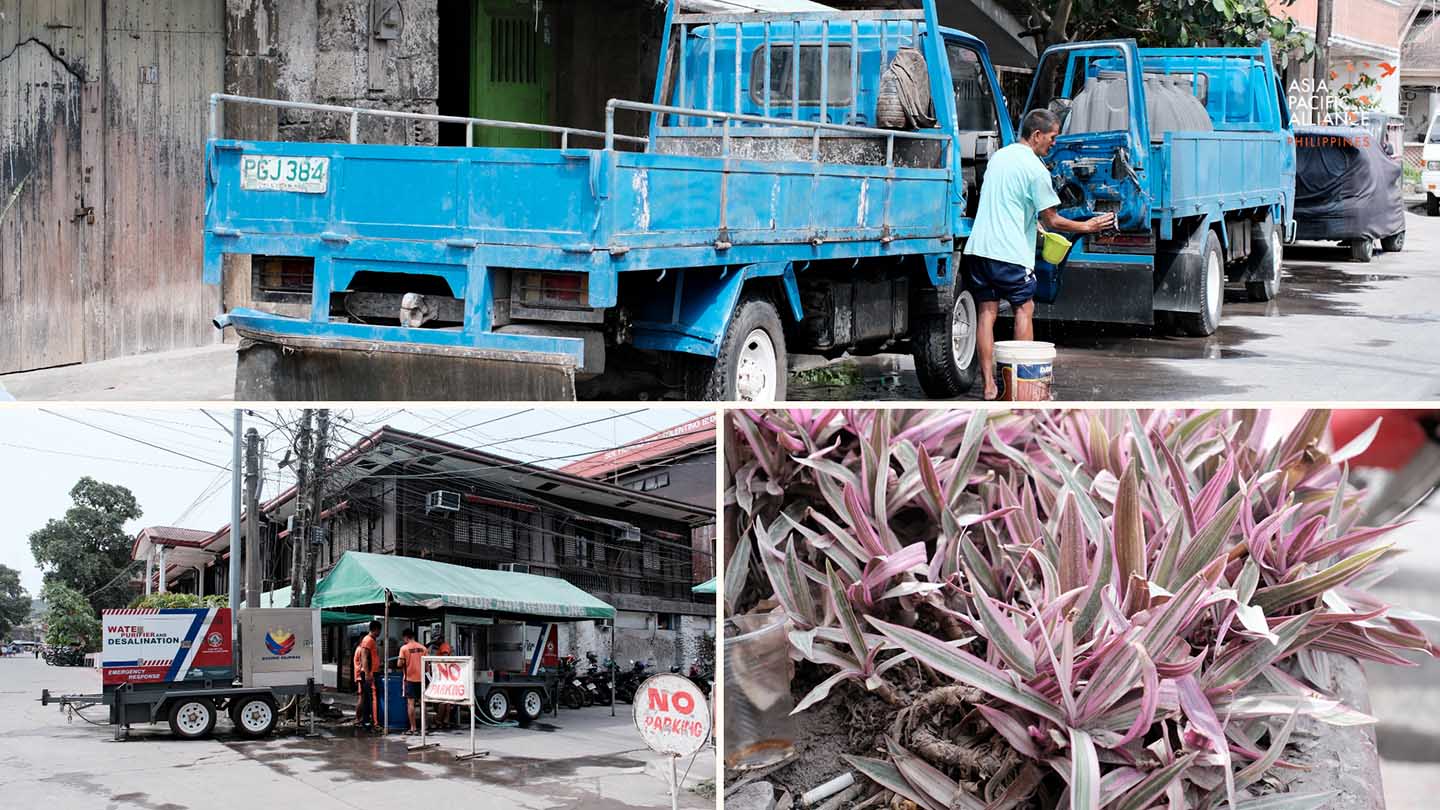
Photo Collage: Scenes from Guinobatan Municipal Hall on May 9 show ashfall-covered communities days after intensified activity from Mayon Volcano.
In Guinobatan, local authorities reported that 44 out of 46 barangays were affected by heavy ashfall, impacting around 28,806 families or more than 98,000 individuals. While no evacuation orders are currently in place, communities continue to struggle with ash accumulation, water access, and livelihood disruptions.
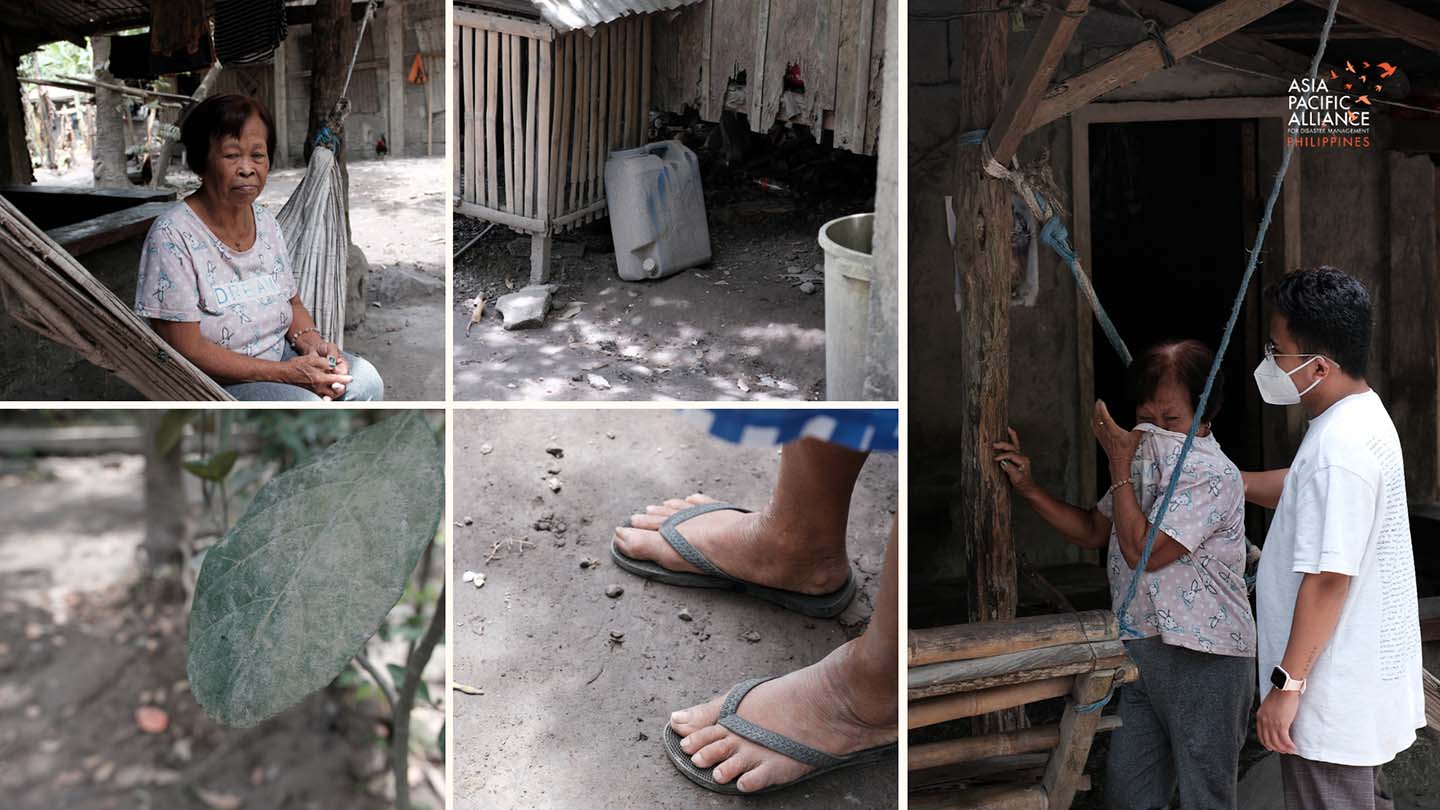
PHOTO COLLAGE: A-PAD PH and Human Resource Network- Bicol (HRN) volunteers conduct interviews with affected farming communities in Brgy. Quirangay, Camalig, among the areas heavily impacted by the Mayon Volcano.
Meanwhile, in Camalig, over 200 families remain displaced after months in evacuation centers. Families from Barangays Anoling, Sua, and Quirangay continue to face uncertainty as schools prepare to reopen, forcing some evacuees to relocate again. Farmers were identified as among the hardest hit sectors, with at least 841 affected by crop losses and damaged livelihoods caused by ashfall and volcanic activity.
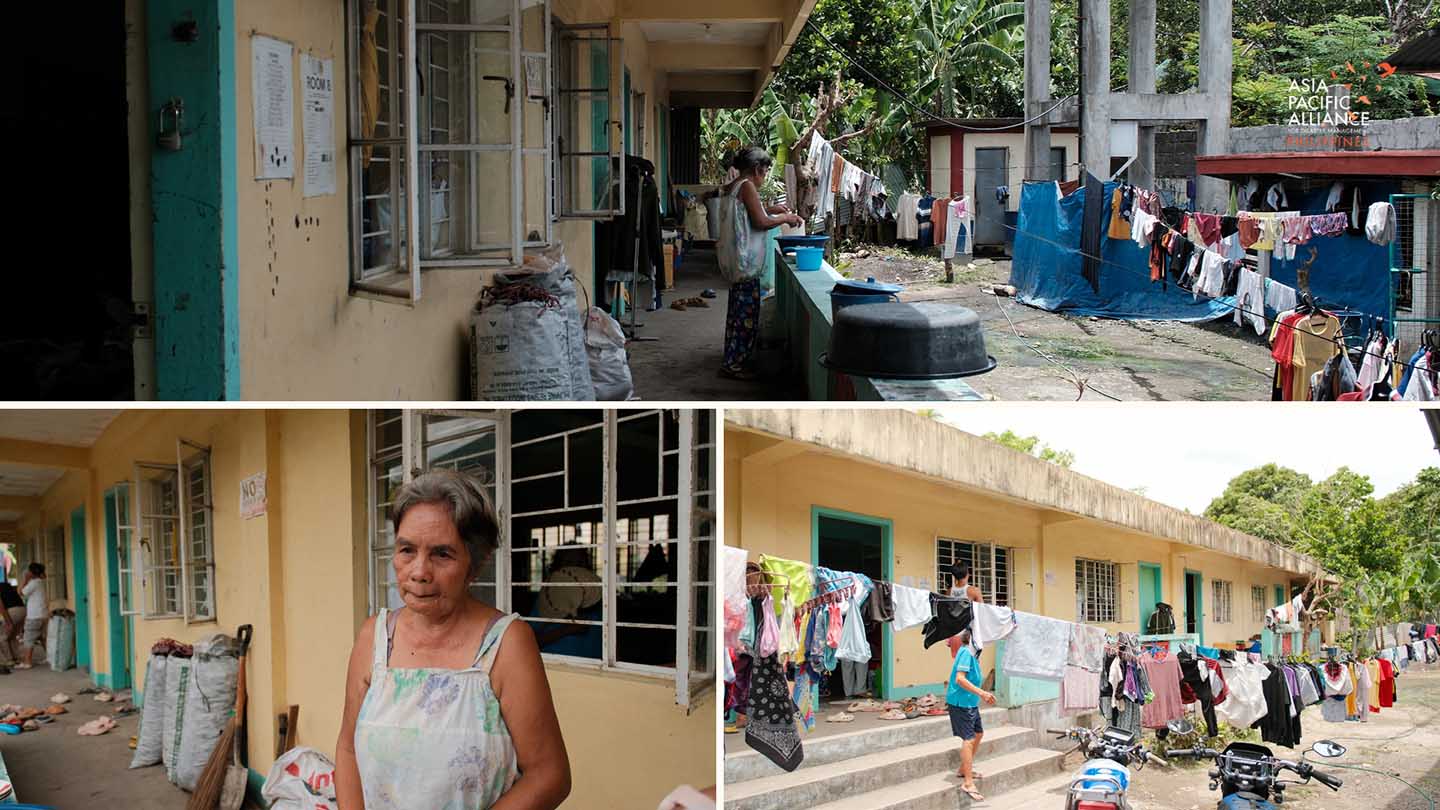
PHOTO: Tagaytay Elementary School serves as one of two evacuation centers in Camalig
At the Tagaytay Elementary School evacuation center, residents shared concerns over challenging living conditions, limited water supply, and lack of livelihood opportunities. While food packs, hygiene kits, and medicines are being provided by the local government, many families remain dependent on aid and continue to worry about their farms and future income.
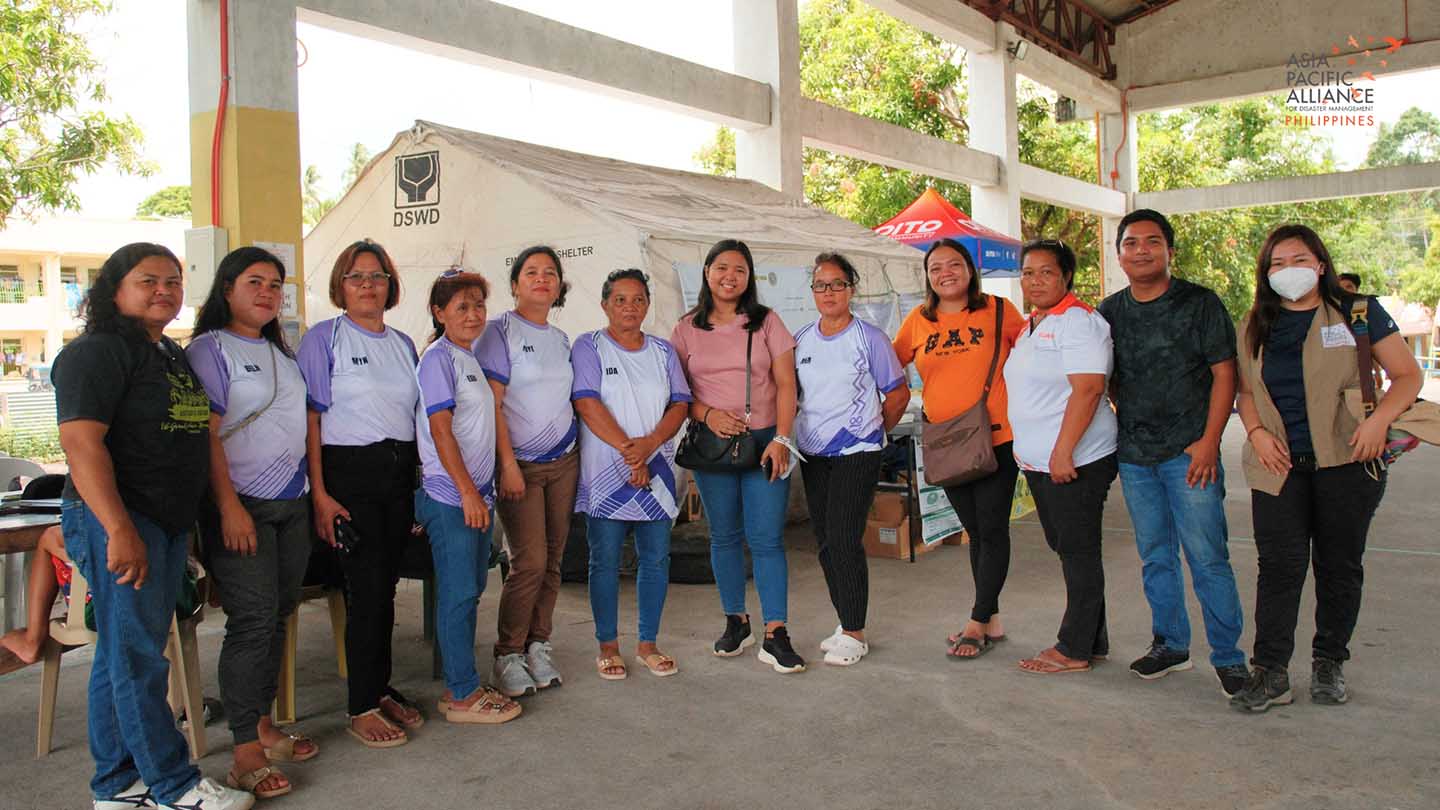
Representatives from A-PAD PH, HRN-Bicol, Bicol University, and the Camalig MSWDO conduct coordination and data-gathering activities in affected communities.
The assessment identified the need for sustainable water systems, livelihood recovery, psychosocial support, and long-term rehabilitation efforts for affected communities. A-PAD PH and HRN volunteers are also exploring resource mobilization activities and additional community support initiatives in the coming weeks.
As communities continue to recover from the impacts of Mayon’s unrest, A-PAD PH calls on partners, volunteers, and organizations to support ongoing humanitarian and recovery efforts in affected communities across Albay. Those interested in collaborating or extending assistance may connect with A-PAD PH to help strengthen collective action for Mayon-affected families.