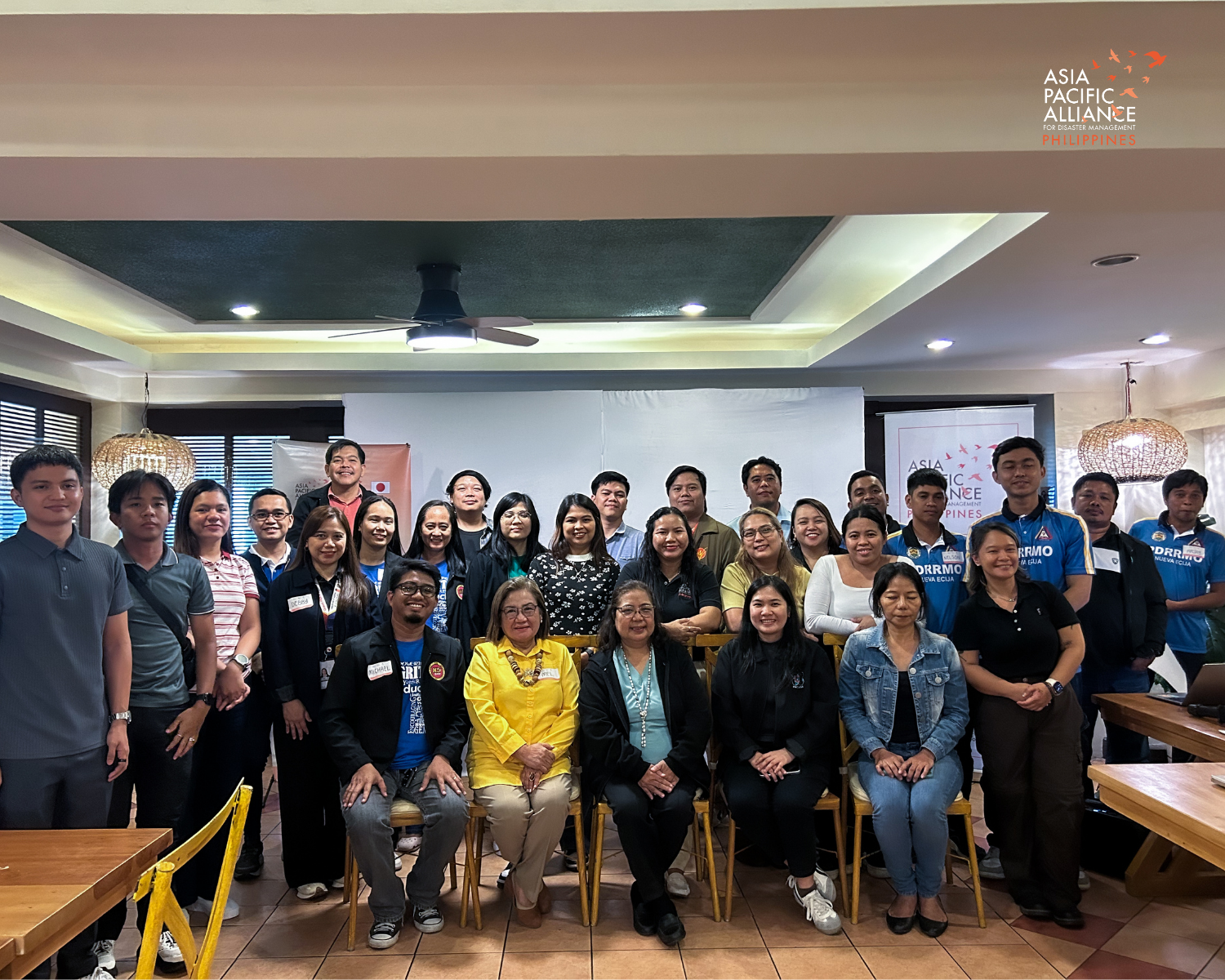
As part of this continuing effort, A-PAD Philippines convened multi-sectoral partners in Cabanatuan City, Nueva Ecija, on August 13, 2026, for a learning session on “Navigating Compounded Risks: Climate Change and the Energy Emergency.”
The session is part of a series aimed at equipping partners with the knowledge and tools to better understand evolving risks, strengthen disaster preparedness, and translate learning into practical action within the contexts of local sectors and communities.
A series of lectures gave insights to how the compounded risks affect communities, businesses, and institutions— how both problems and solutions intersect among sectors.
In partnership with K5 Multipurpose Cooperative, the learning session provided a space for participants and partners to engage in a dialogue toward building more resilient and climate-ready communities.
Weather Specialist Anjela A. Ilagan from DOST-PAGASA presented topics on tropical cyclones and climate trends in the country to deepen understanding on the extreme weather and typhoons experienced in the Nueva Ecija. Negosyo Advocates President Joy Cerrafon also joined in the discussion to share her expertise on the energy emergency with a business-lens to it. Lastly, Dr. Judit A. Teano from the Central Luzon State University opened the concept of Circular Economy during the session-providing both the big picture and personal experience when it comes to waste.
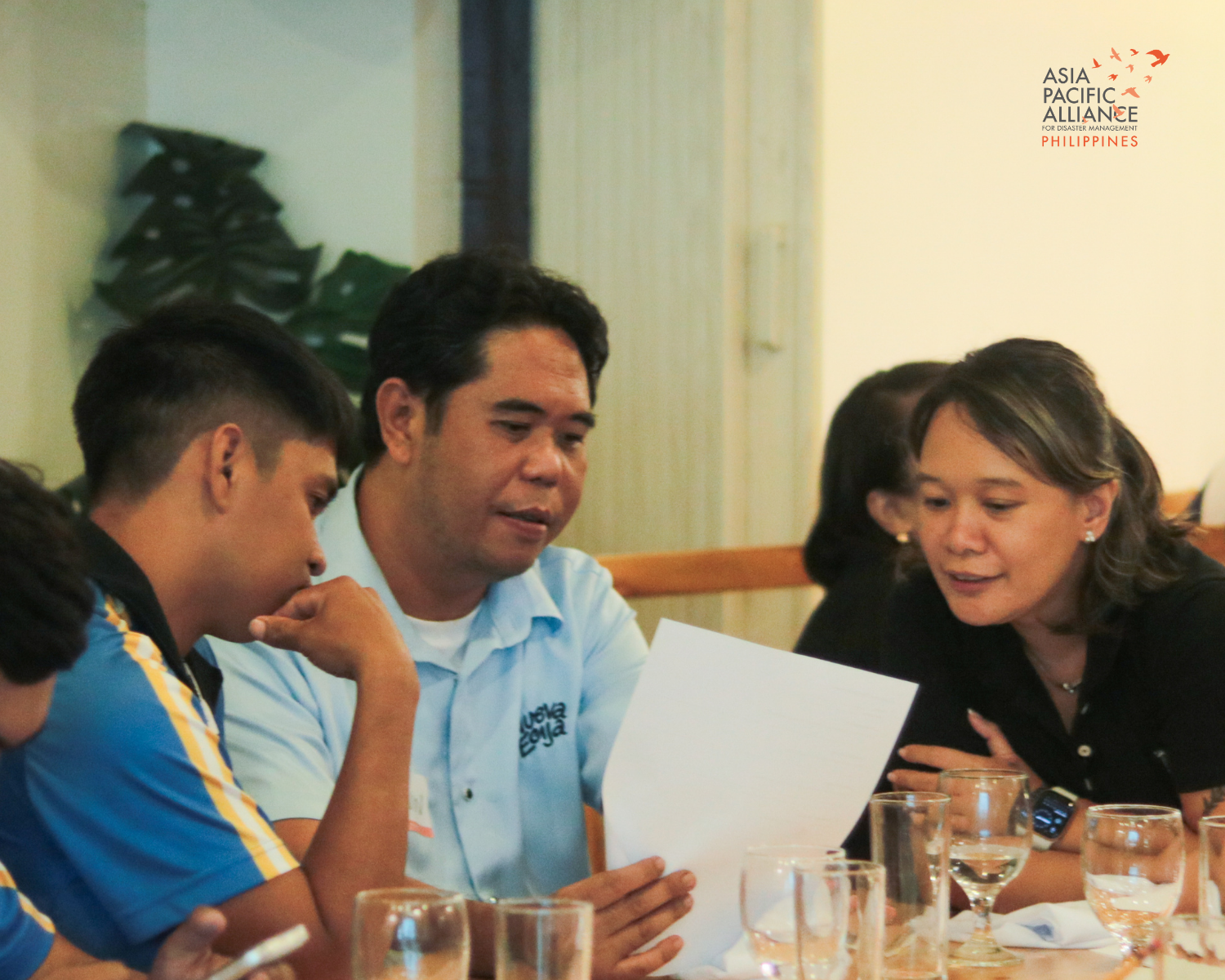
“Sa mga nakalipas na mga lecture, marami kaming magagamit para sa aming mga programa sa aming himpilan na batid po namin na maraming matutulungan sa ating mga kababayan,” shared DWNE Teleradyo Senior Reporter Mel Ciriaco, as one of the participants.
“From the previous lectures, we gained a lot of knowledge that we can apply to our programs at our station, which we believe will help many people in our community,” shared DWNE Teleradyo Senior Reporter Mel Ciriaco, as one of the participants.
At the end of the lectures, the participants were given the chance to explore practical ways to strengthen resilience and climate action in their immediate communities. From each presentation, the participants were able to share their own experiences and express insights to learn from one another.