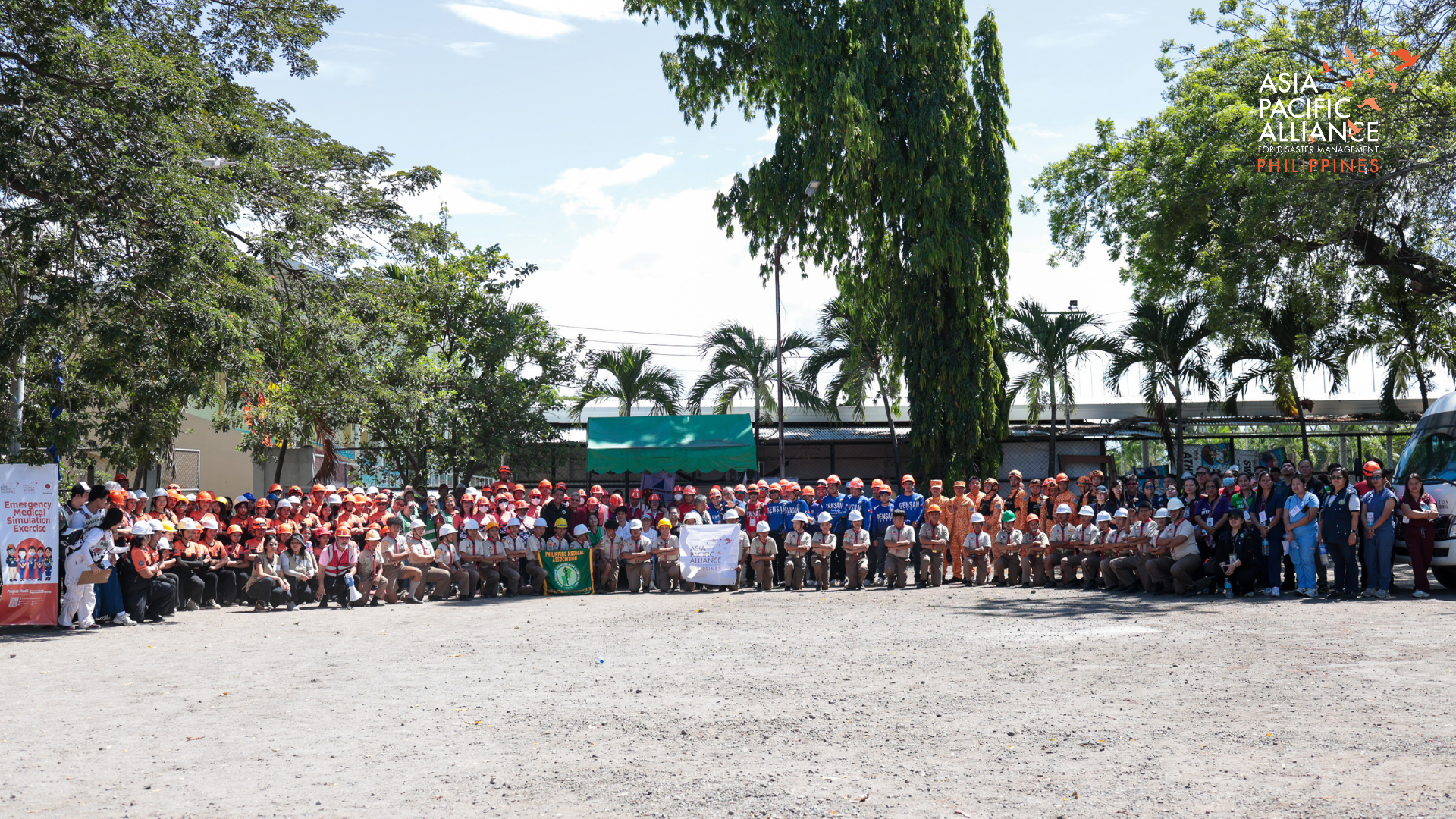
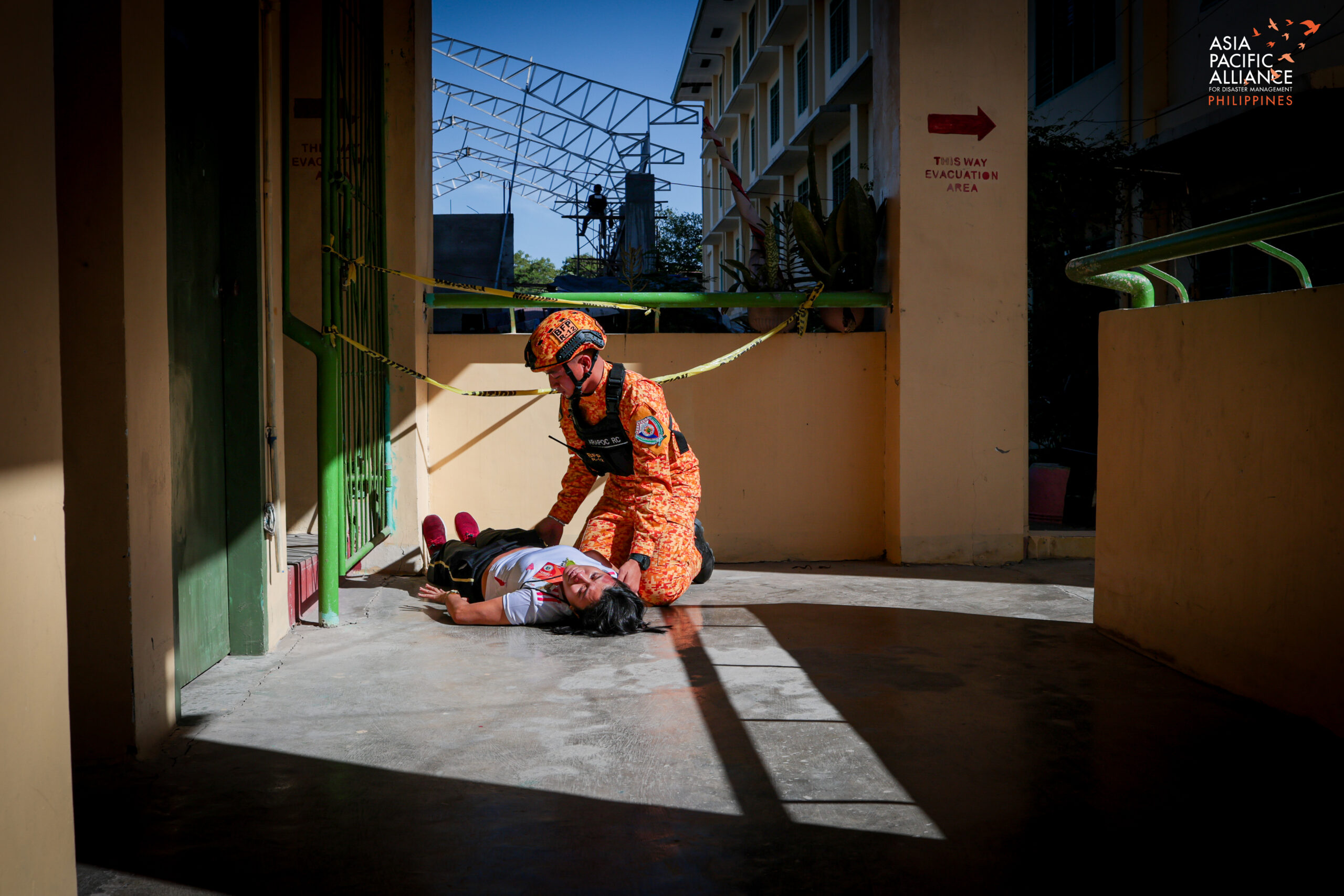
Five months after a magnitude 7.8 earthquake rocked offshore Sarangani, more than 1,100 students, teachers, disaster managers, health and emergency responders took part in a multi-sector simulation in General Santos City on November 11, testing how schools and response agencies would manage a large-scale disaster.
The exercise was conducted under Project MedX (Medical Emergency Simulation Exercise), spearheaded by the Asia Pacific Alliance for Disaster Management Philippines (A-PAD PH) in partnership with the General Santos City Disaster Risk Reduction and Management Office (CDRRMO) and City Health Office, the UP Resilience Institute, and the UP Manila Disaster Risk Reduction and Management in Health (UPM DRRM-H) and Dadiangas Medical Center.
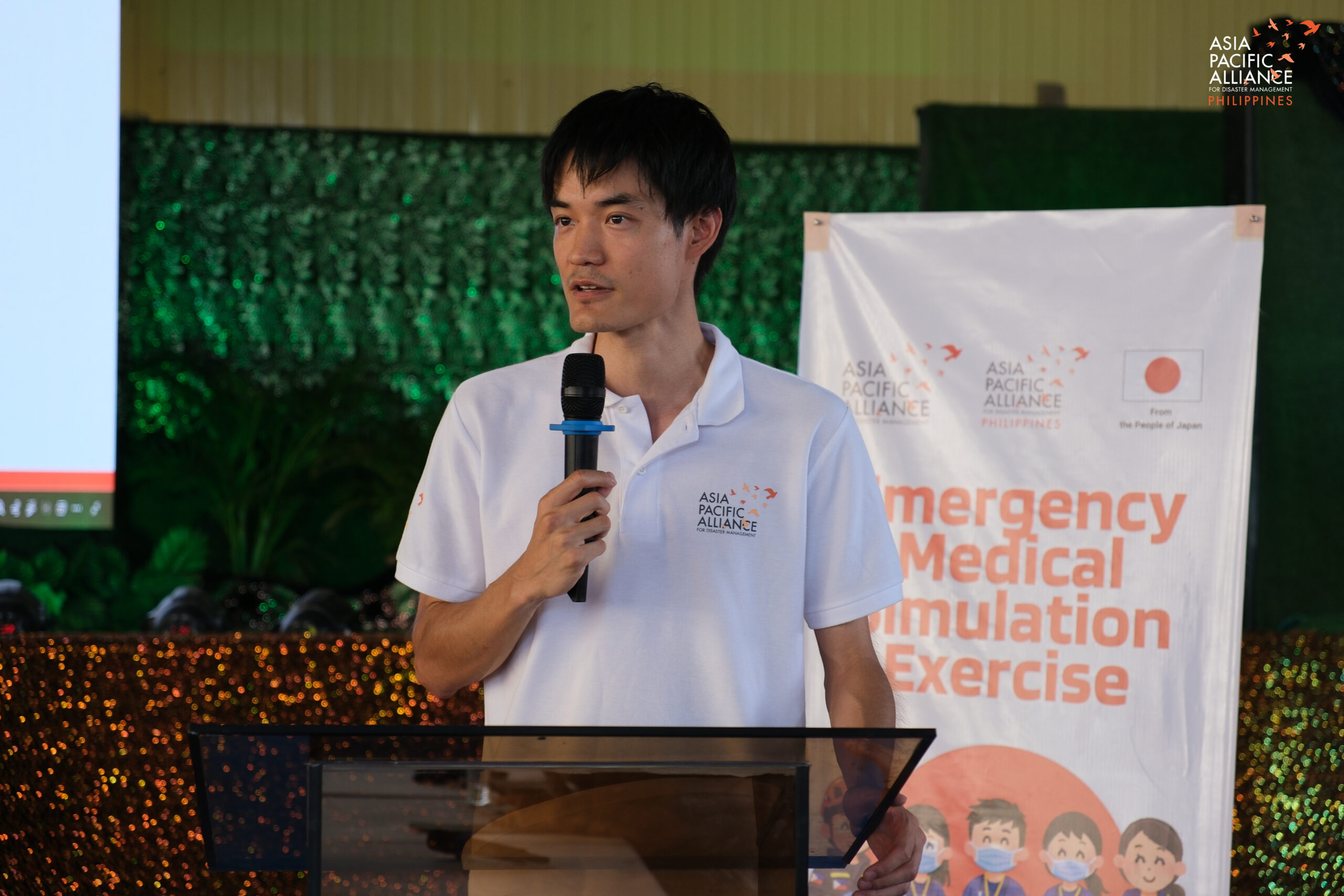
“I can imagine that, just five months after the major earthquake hit this city, our children and students here may still be experiencing trauma and anxiety in their school lives.I hope that today’s exercise will give them hope and confidence that they are fully prepared, and that they can continue their studies safely, even in the event of disasters,” said Taro Hirokawa, Philippine Project Coordinator of A-PAD Management Office in Japan.
Project MedX is supported by the People of Japan to strengthen disaster preparedness and resilience in the Philippines, advancing A-PAD PH’s commitment to saving more lives in less time.
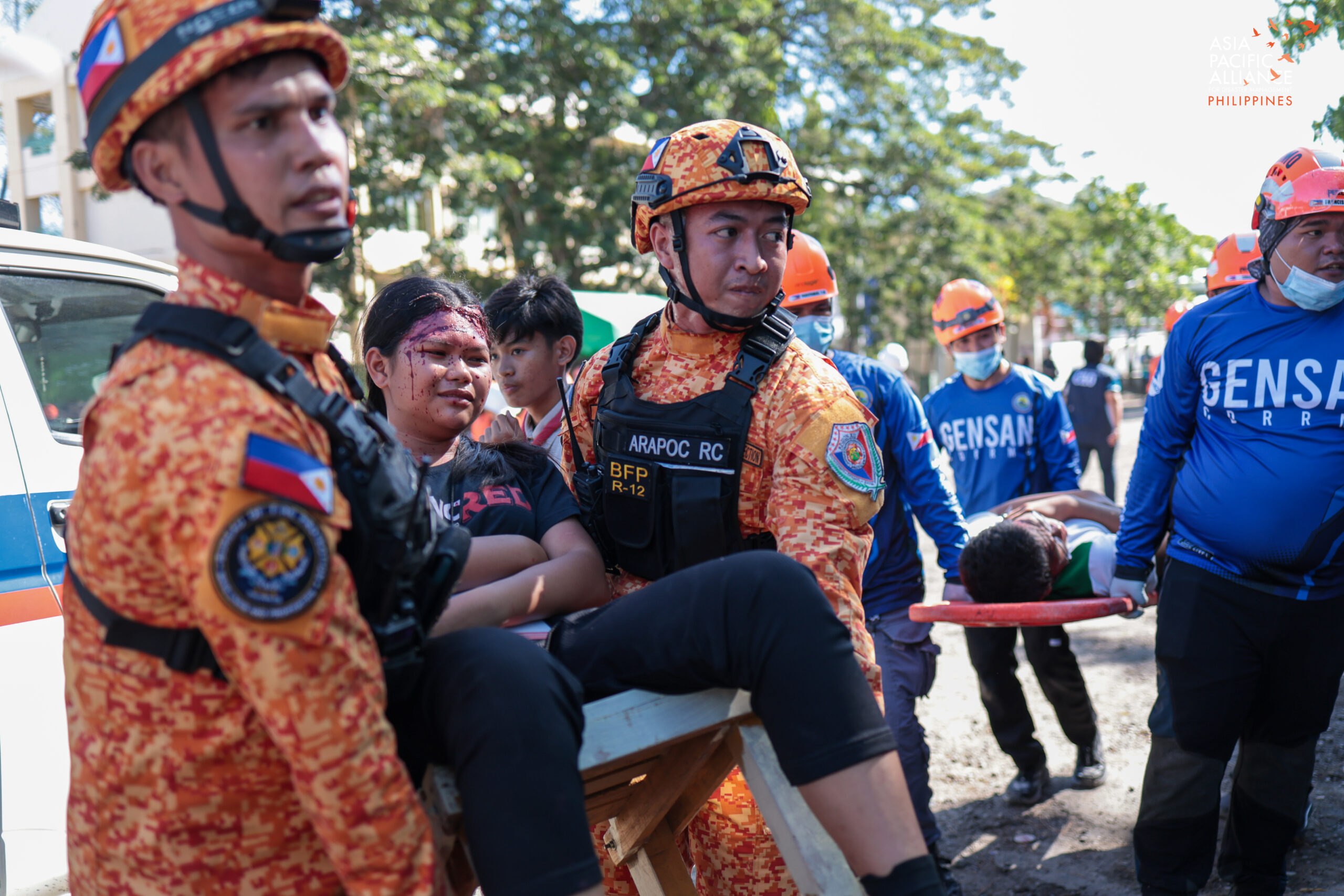
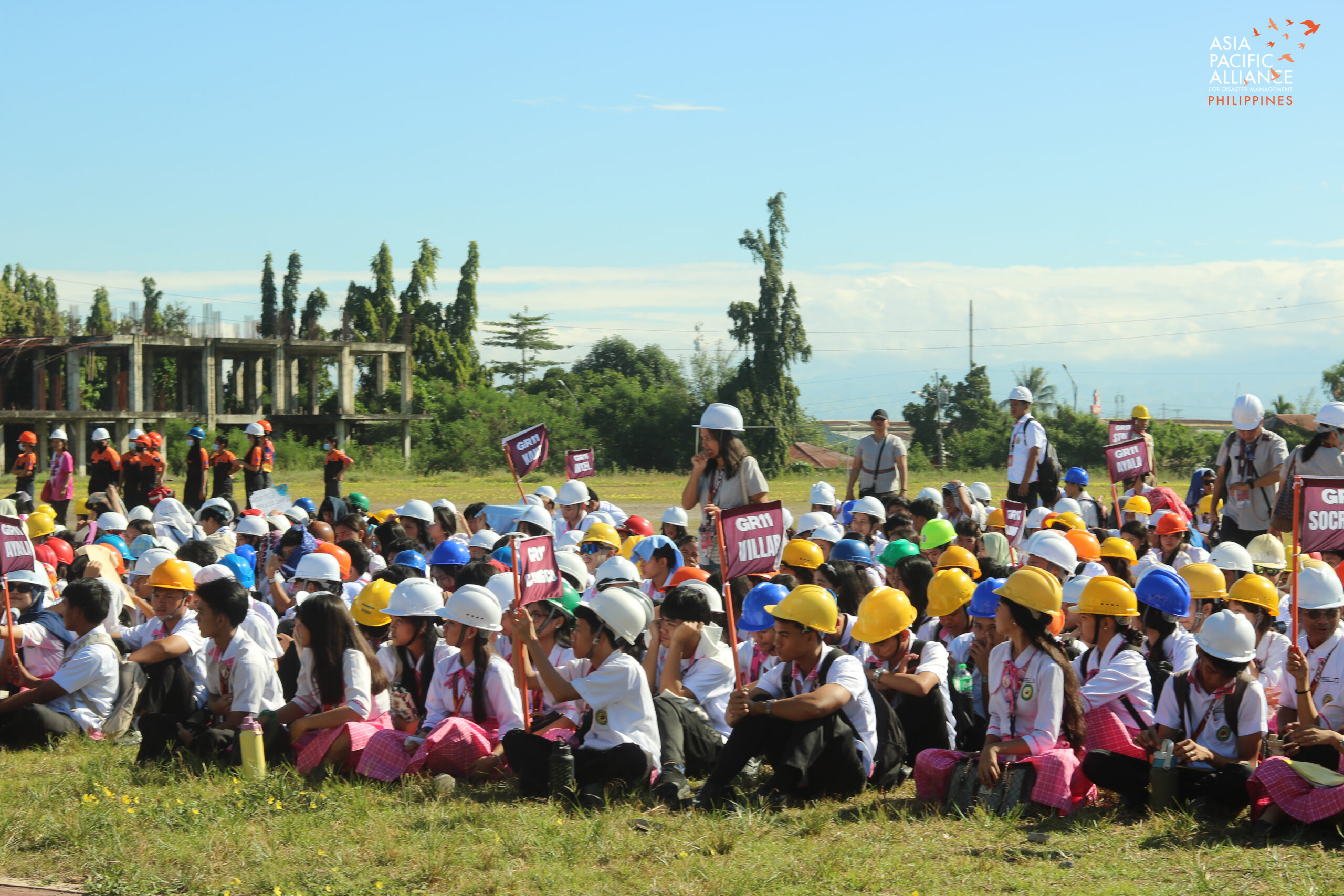
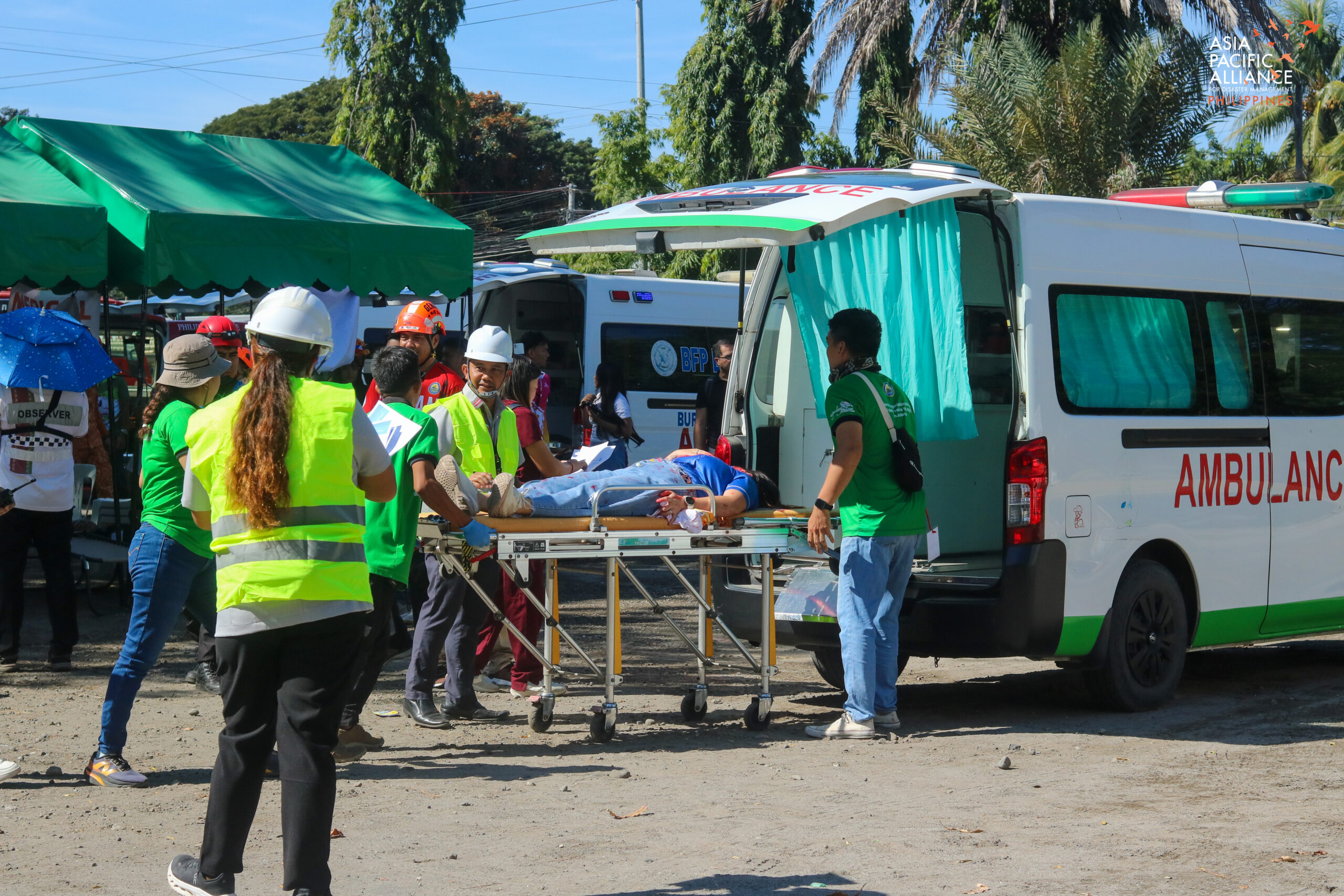
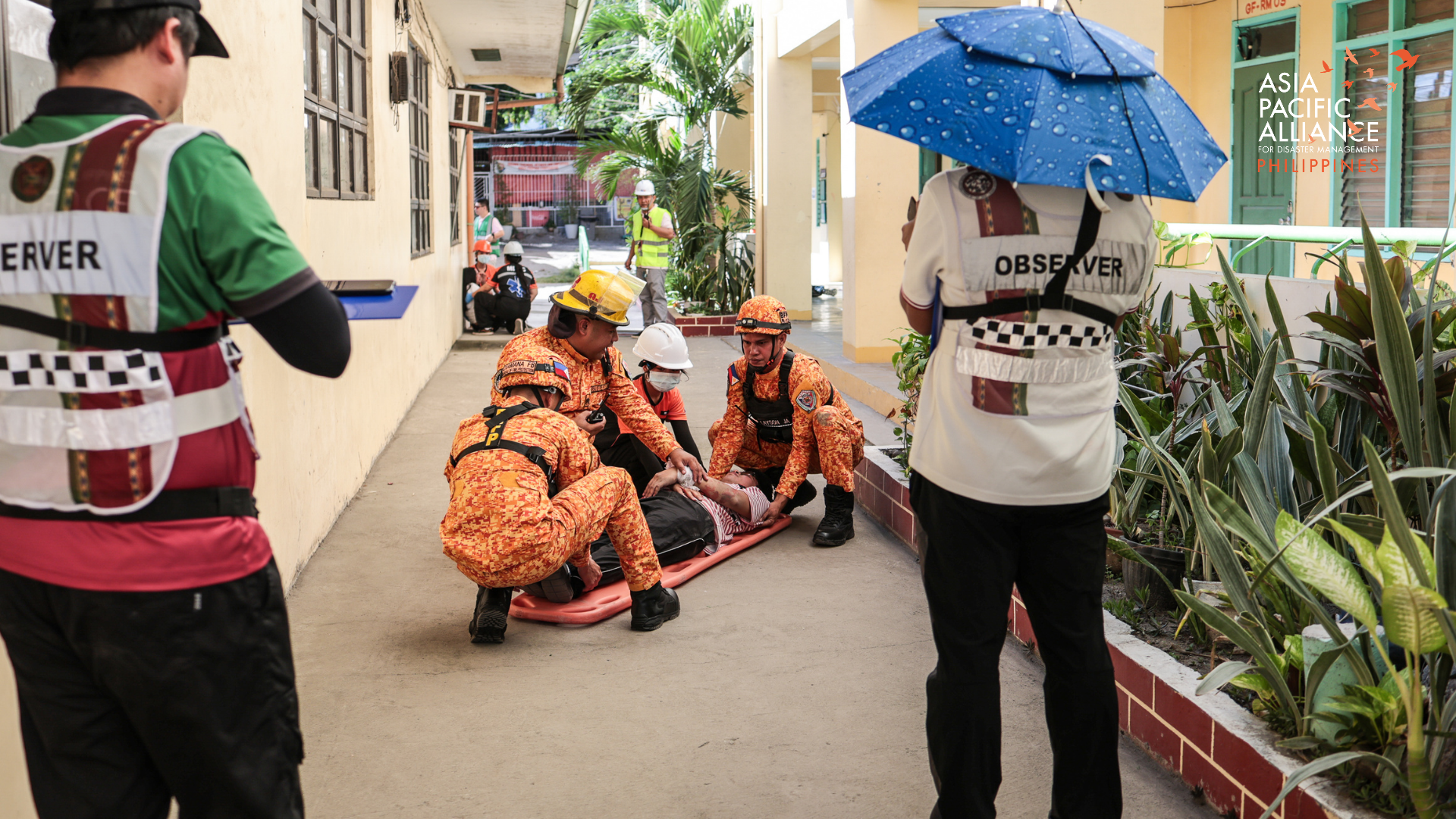
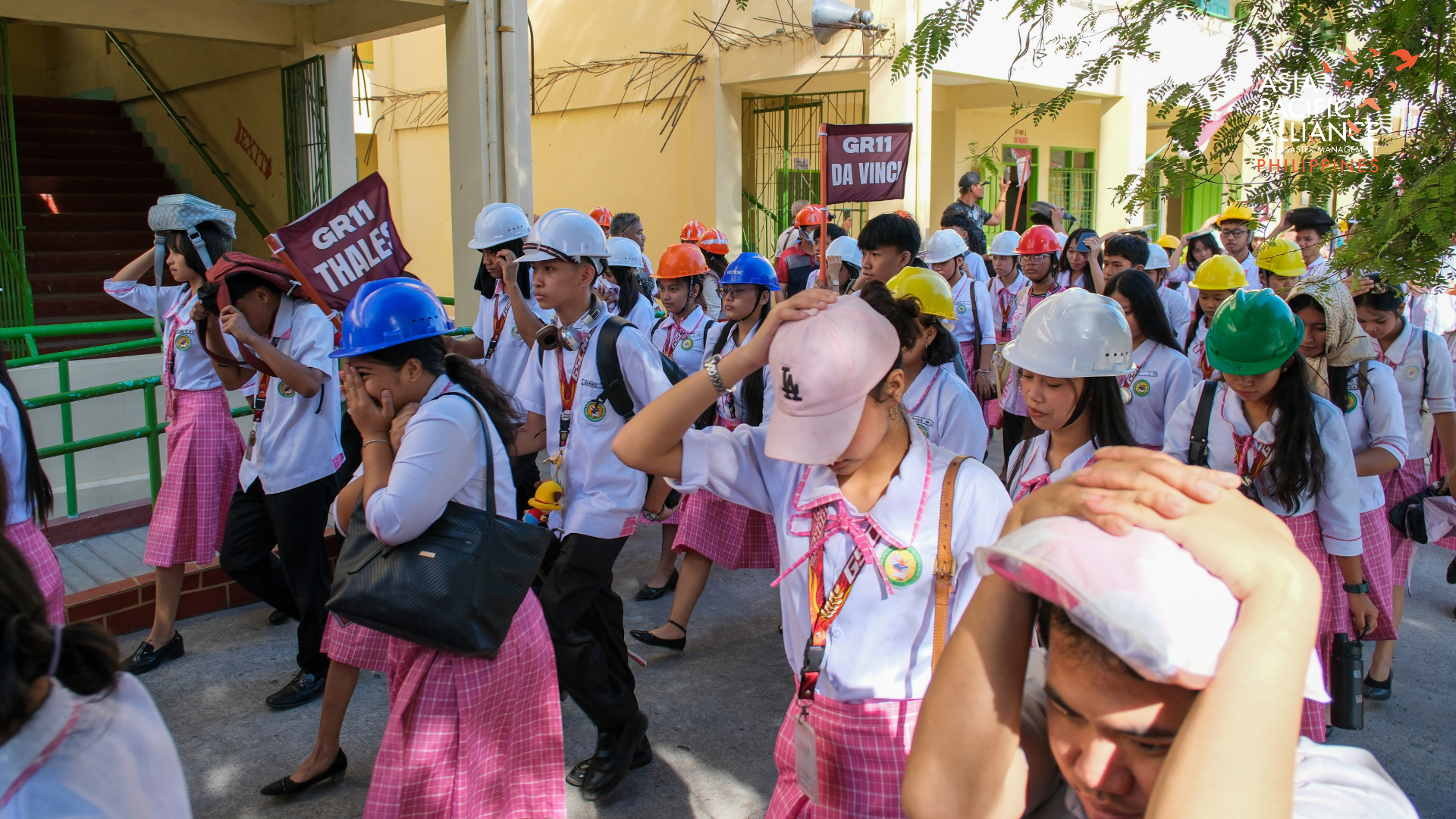
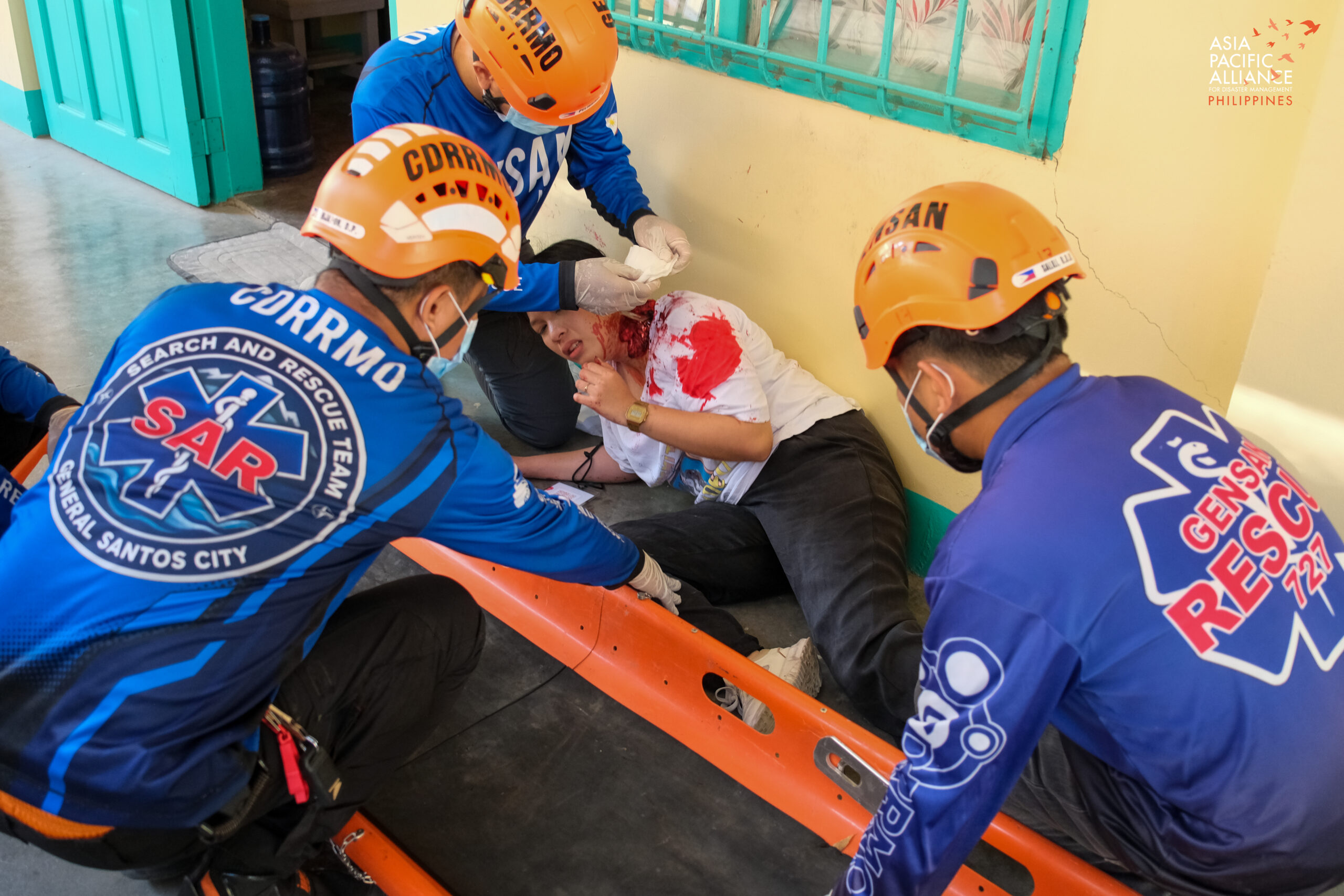
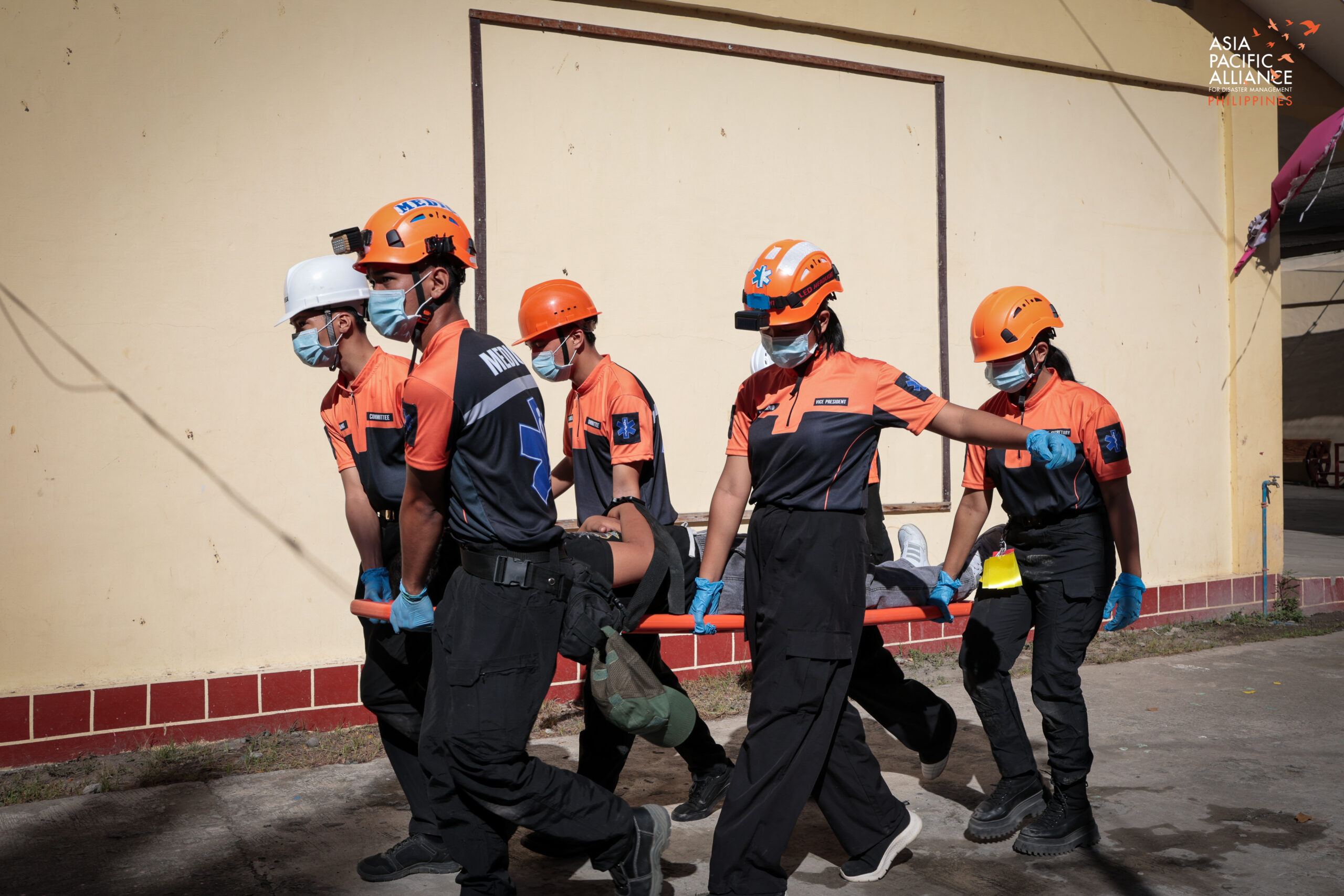
The scenario opened with a simulated 7.8-magnitude earthquake striking General Santos City National High School (GCNHS), triggering immediate campus evacuations and student accountability checks. The emergency escalated quickly as 45 individuals were reported missing, launching search-and-rescue (SAR) operations and the deployment of emergency medical units.
The exercise tested schools’ ability to evacuate students safely and coordinate the transition of response operations to local authorities when an emergency exceeds their immediate capacity.
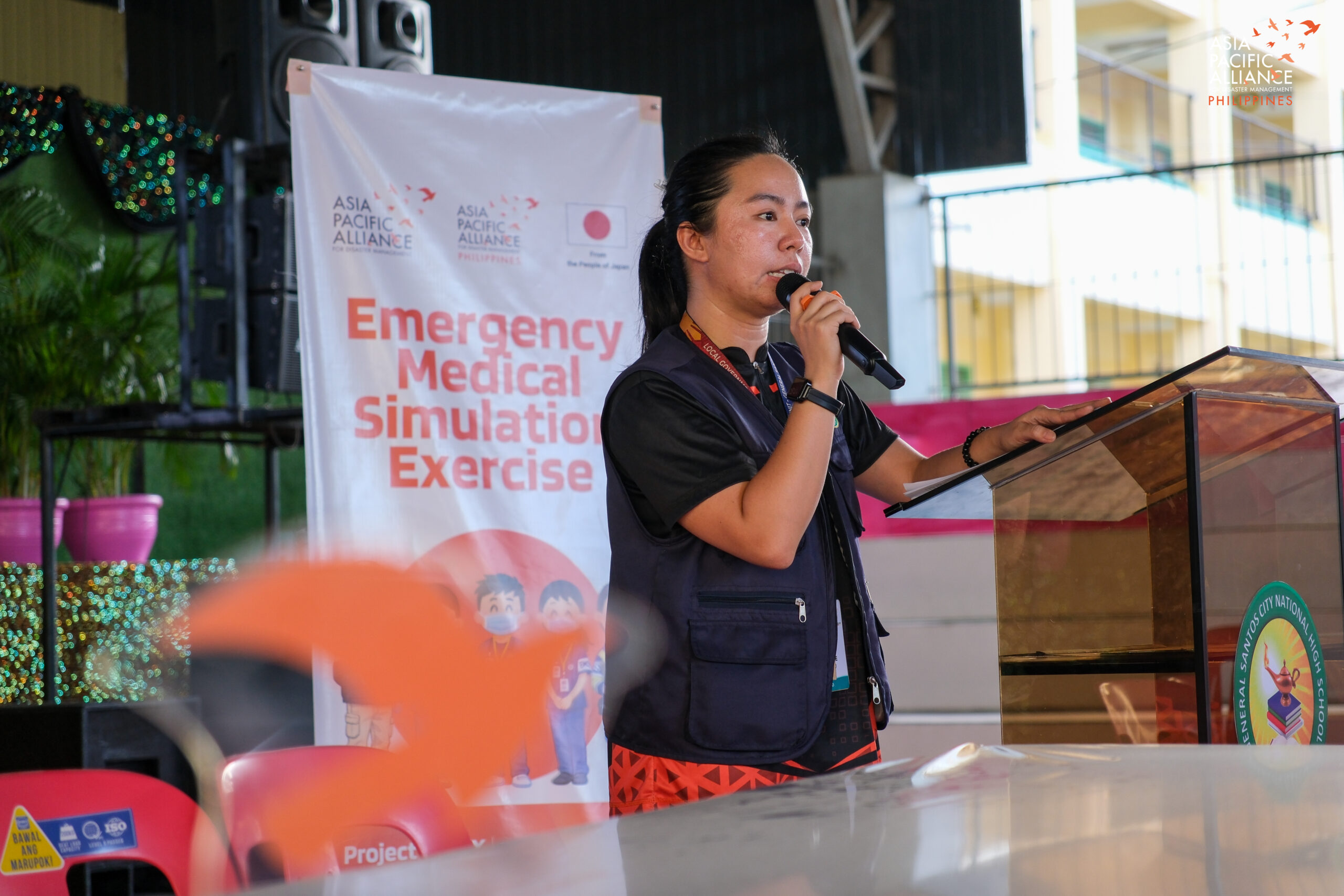
“Our responsibility goes beyond delivering quality education. We must ensure that our schools are safe, prepared, and able to respond efficiently and effectively in emergencies,” GCNHS Principal Maty Napoles said.
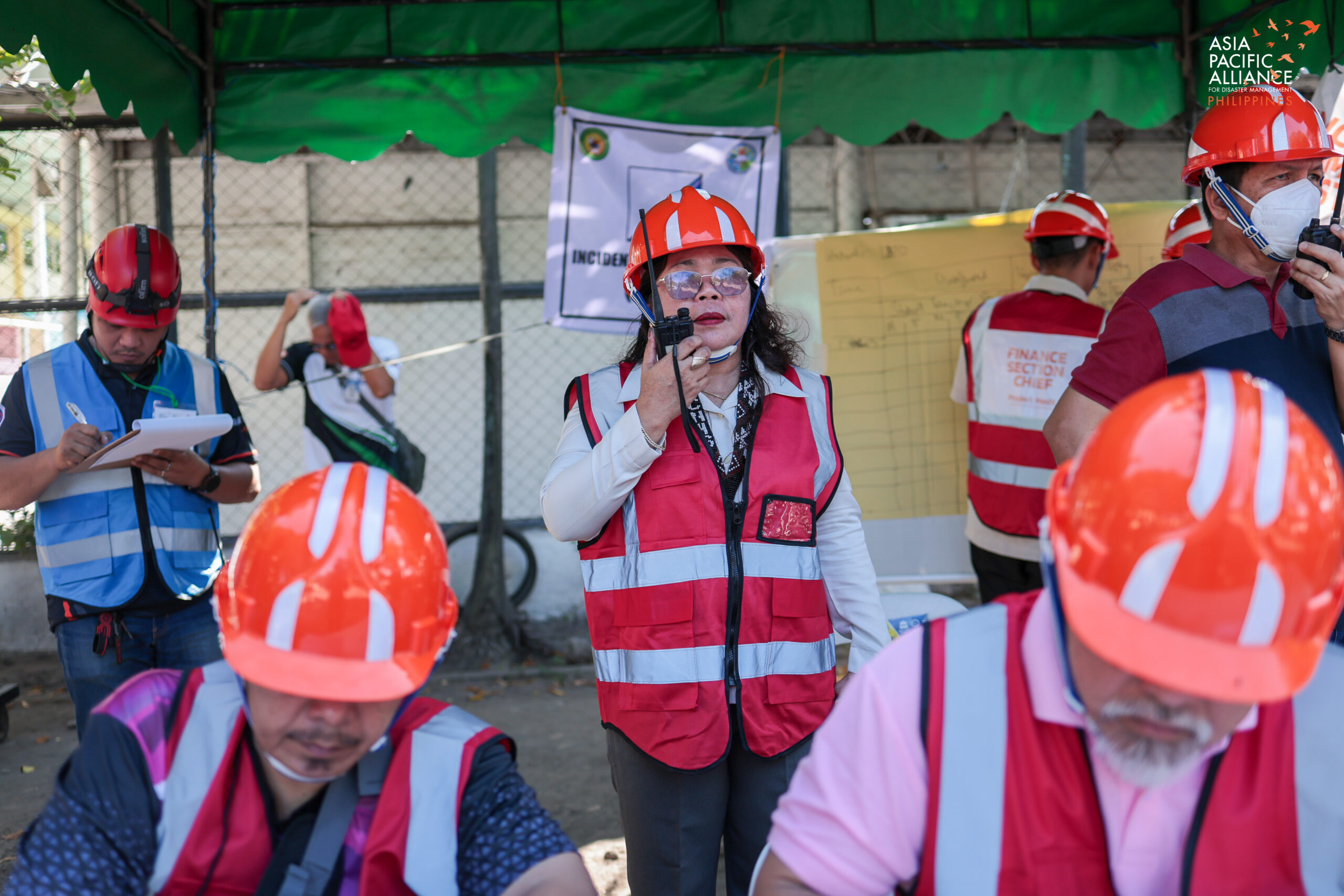
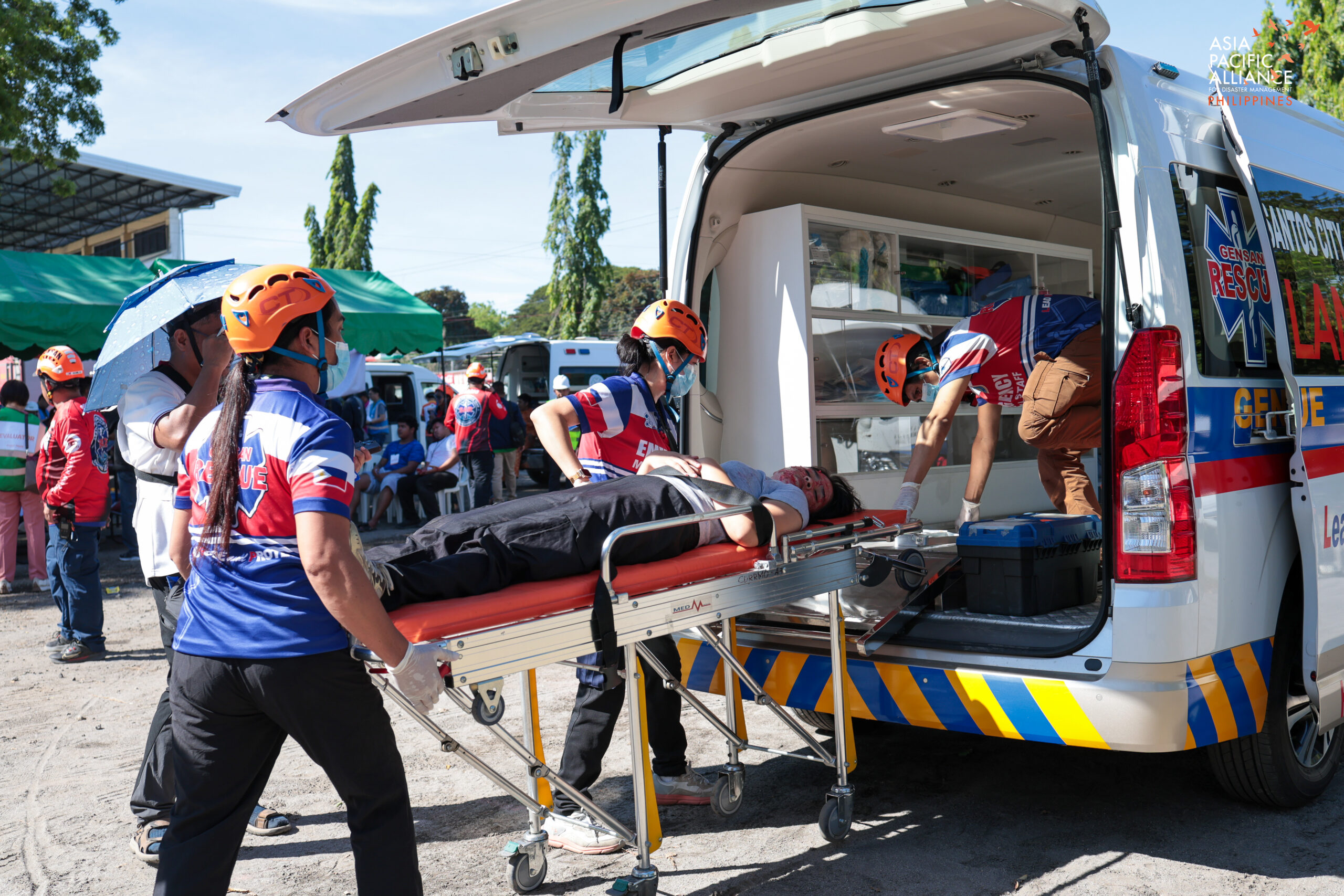
Their involvement reflects a central challenge in disaster response: no single institution can manage a large-scale emergency on its own. The simulation examined key areas of this coordination, including incident command, inter-agency communication, search and rescue, emergency medical response, and psychosocial support.
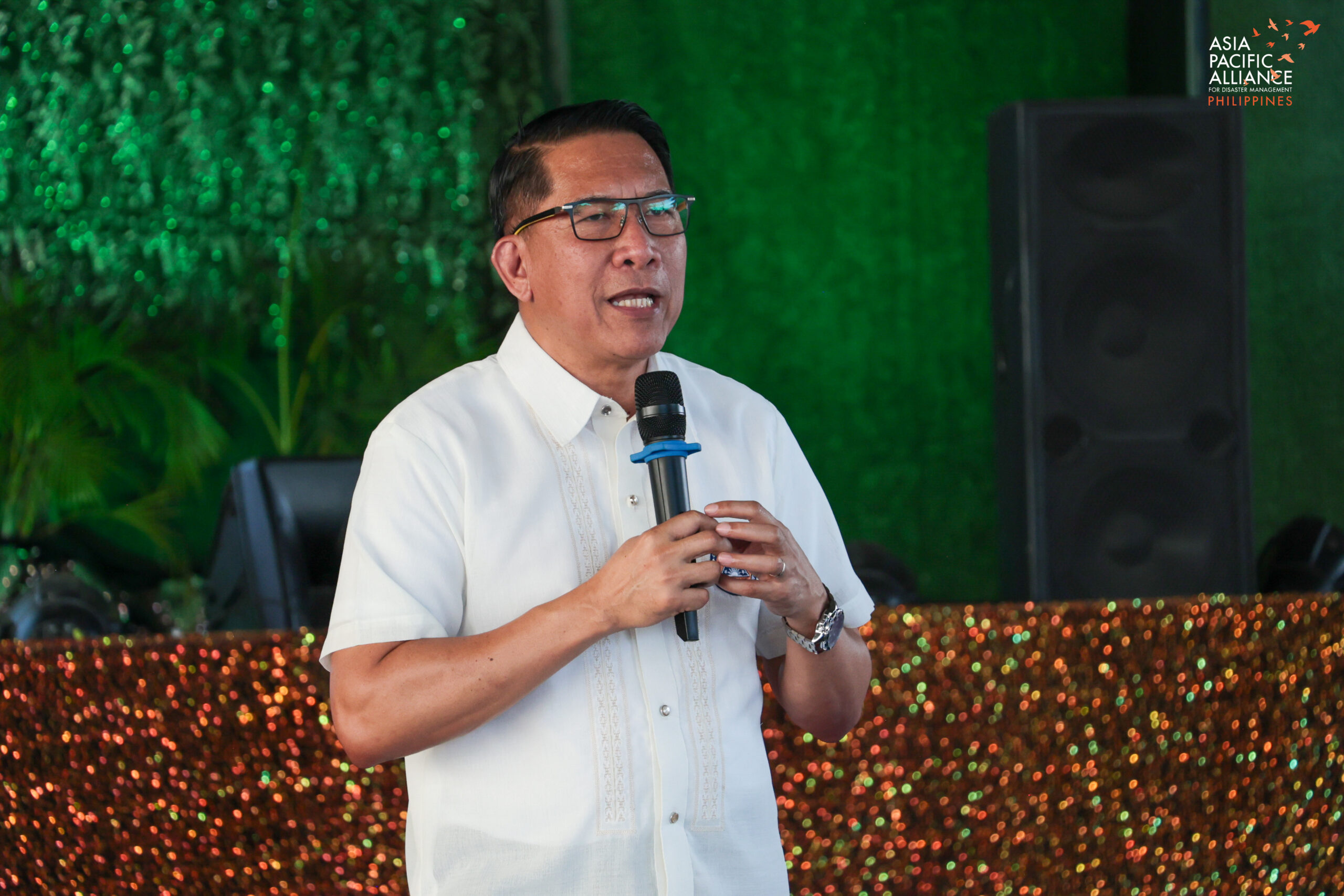
“Ang parating underlying factor sa success ng operation is the medical response, kahit saan at kahit ano ang mangyari. But what I would like to emphasize is that the partnership we have forged, especially in conducting simulation exercises, is really, really relevant. Lalong-lalo na hindi lang sa ating responders, but also to our disaster managers, our disaster risk reduction managers,” OCD Region XII Regional Director Rodrigo Sosmeña said.
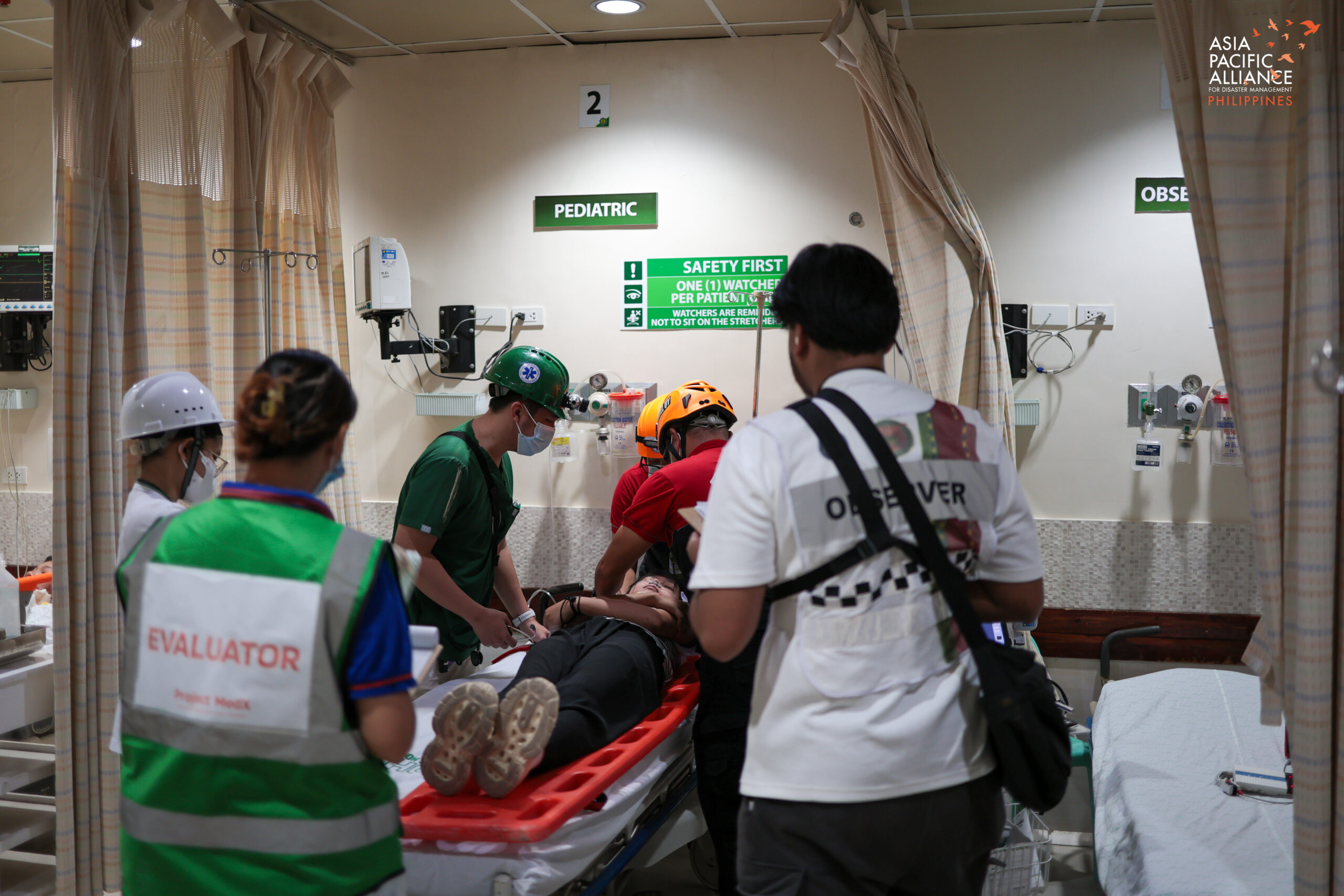
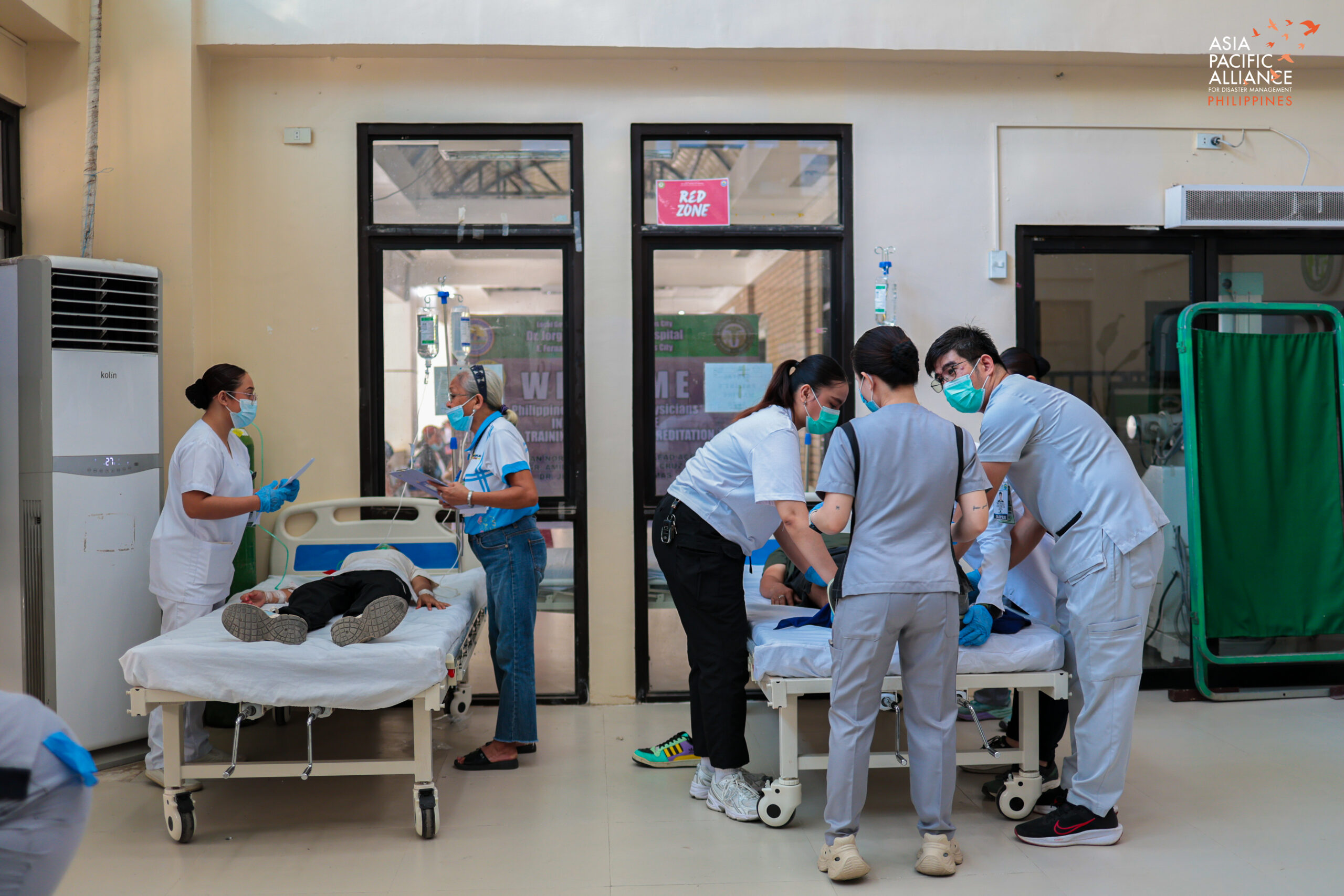
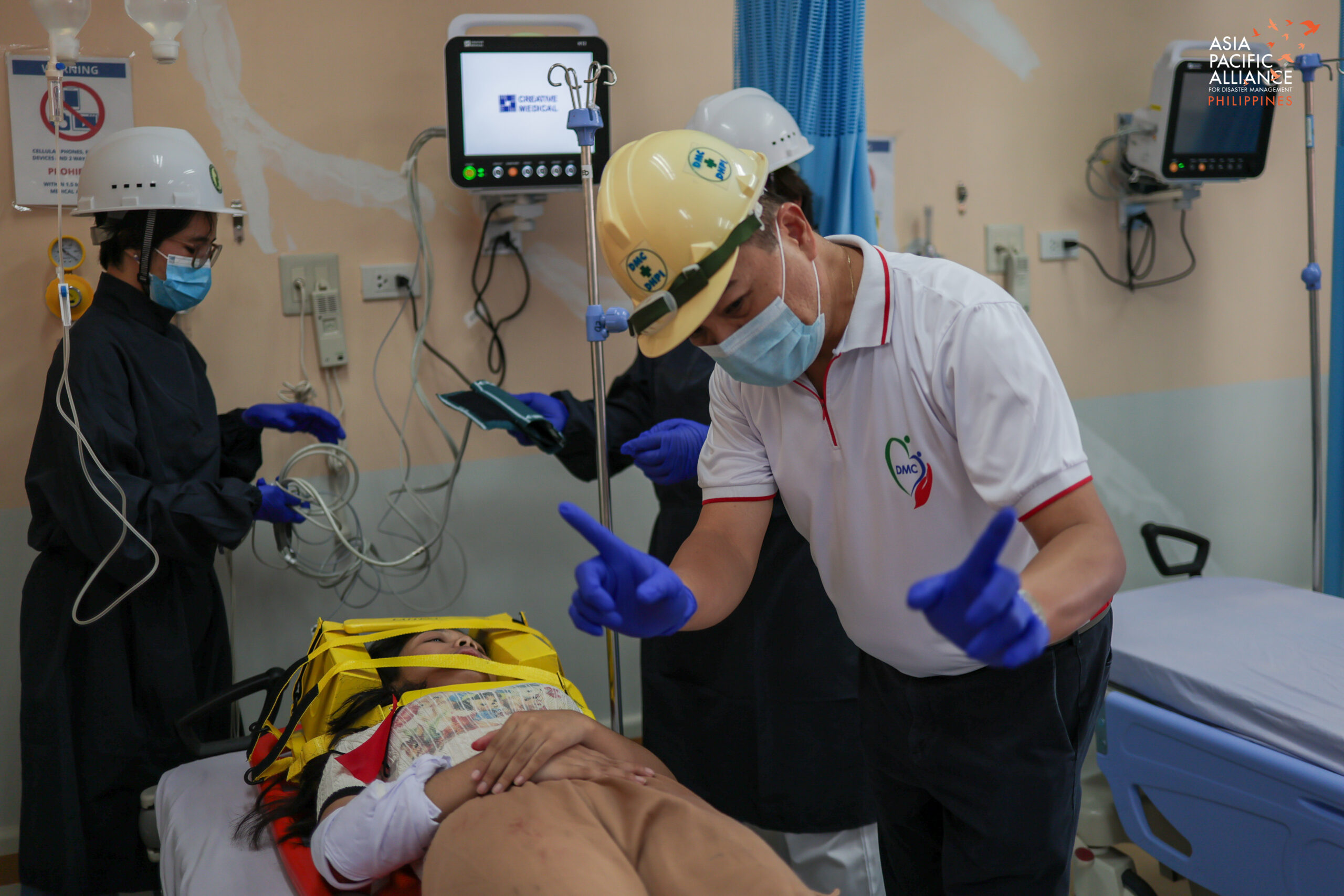
Prior to the SIMEX, participating organizations also took part in a tabletop exercise on November 10. Following the simulation, participants joined a debriefing to share feedback, discuss key observations, and identify gaps and areas for improvement. This process allowed agencies to reflect on their performance, draw lessons from the exercise, and strengthen coordination for future emergency response operations.
“What we are trying to do in this SIMEX hopefully, does not have to happen. But then again, in the event that it [disaster] happens, we are ready. We are doing this not only for ourselves but for the community where we live and who we serve, ” A-PAD PH President Gilbert Albero said.
BIGGEST MULTI-SECTORAL SIMULATION EXERCISE IN SOX
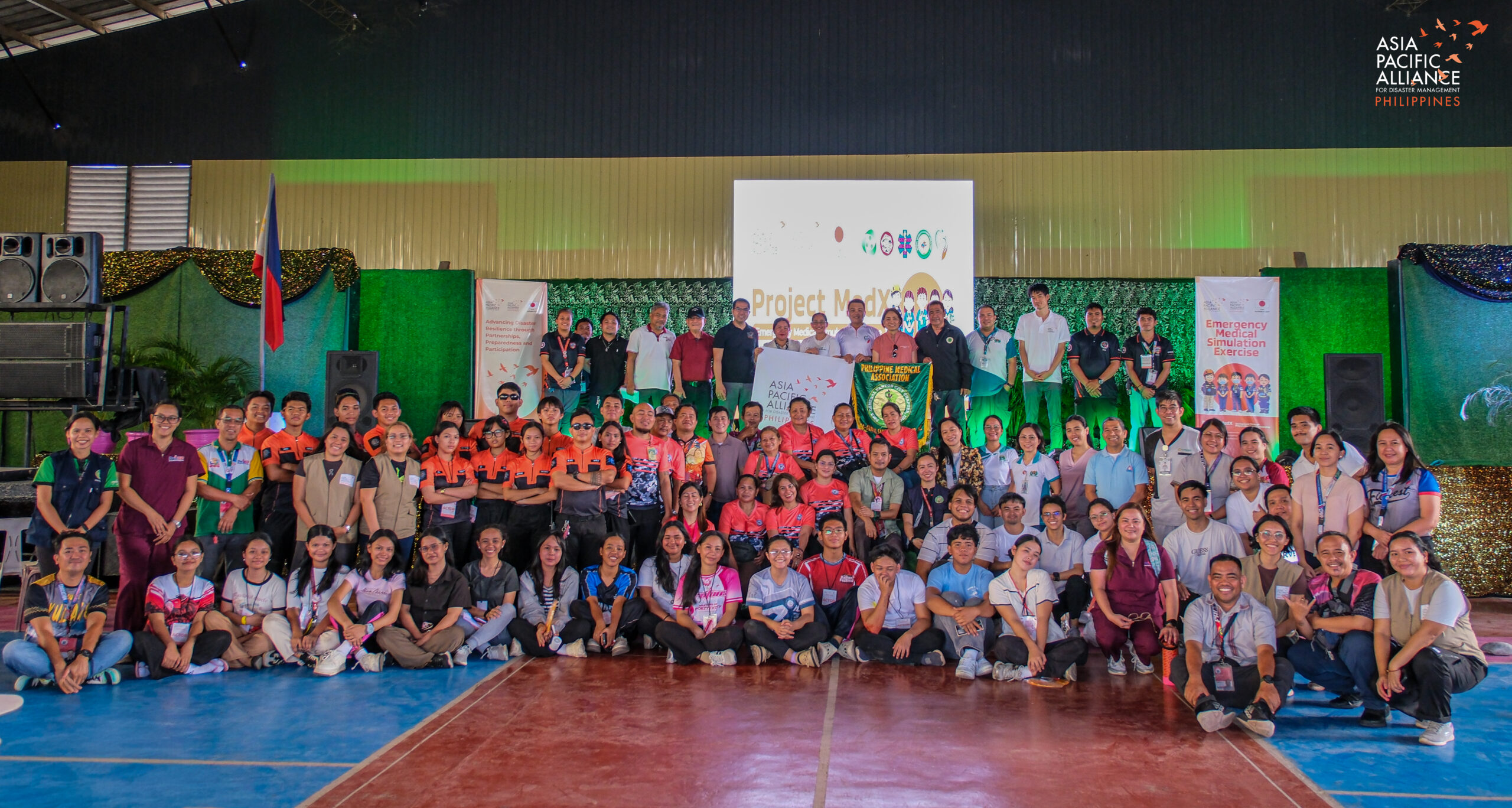
The exercise is part of Project MedX, A-PAD PH’s flagship initiative to strengthen emergency medical preparedness through realistic, localized simulations and multisector collaboration.
Following exercises in Central Luzon and Western Visayas, the SOCCSKSARGEN activity continues the program’s work. A defining feature of the exercise is the participation of over 25 partner organizations representing different sectors, including local government, public and private hospitals, schools, civil society and community volunteers. The participating organizations are:
General Santos City Disaster Risk Reduction and Management Office (CDRRMO); General Santos City Health Office (CHO);DepEd Region XII – General Santos City National High School; Philippine Medical Association; Office of Civil Defense XII; Bureau of Fire Protection – General Santos City; General Santos City Social Welfare and Development Office; Barangay Calumpang; Philippine Red Cross – General Santos Chapter; General Santos Doctors Hospital; Dadiangas Medical Center; Gensan Medical Center; Dr. Jorge P. Royeca Hospital; Sarangani Provincial Health Office; DepEd Division Office – General Santos City; Holy Trinity College; Mindanao State University – Medical Services Department; Philippine Medical Association – General Santos; and A-PAD PH Human Resource Network Volunteers – SOCCSKSARGEN.