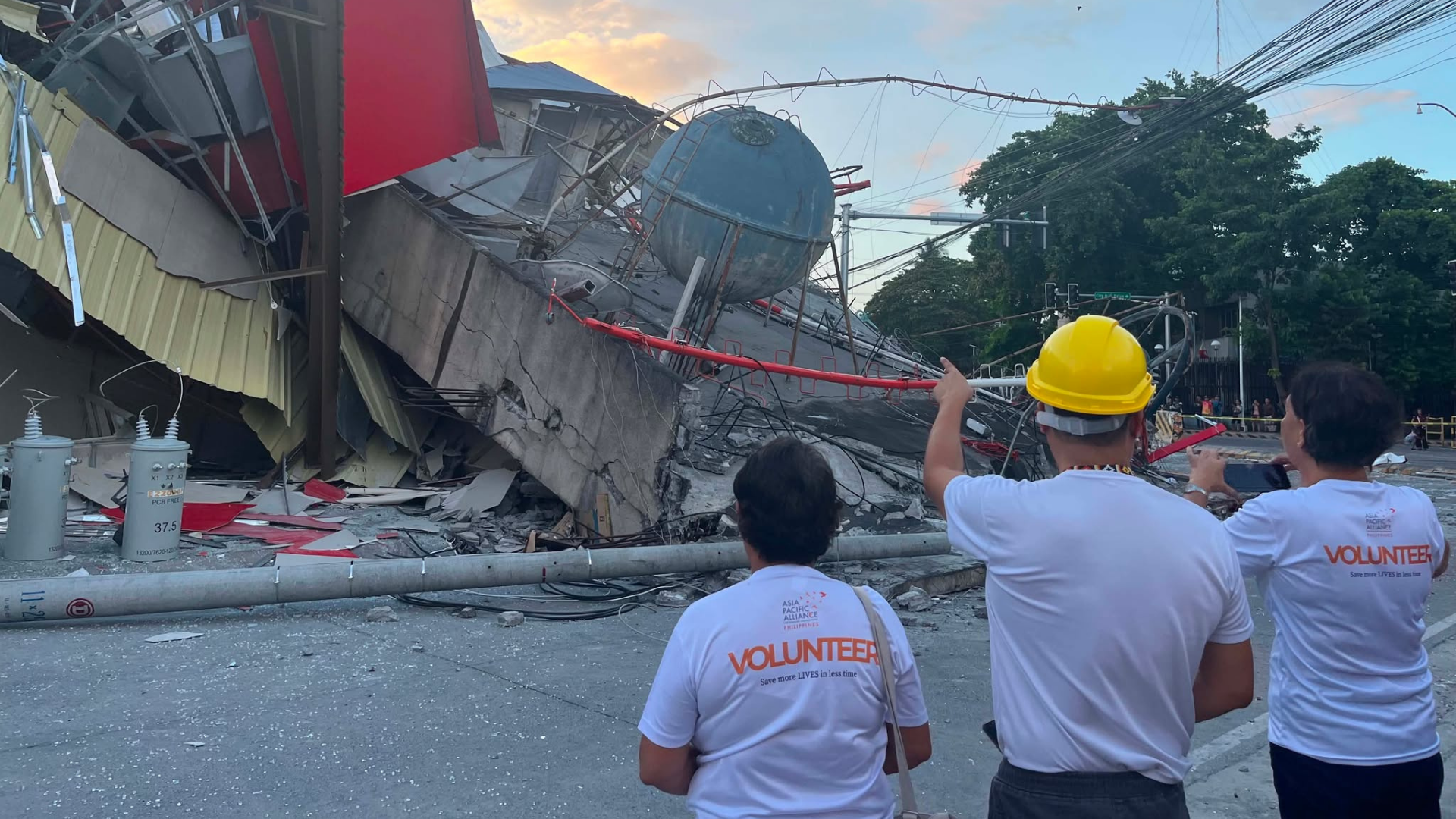
It was the morning of the first day of classes when the magnitude 7.8 earthquake sent tremors across Mindanao. More than 200 kilometers away from the epicenter, A-PAD PH Human Resource Network volunteer Aldrin Dais felt the intense shaking on his way to work. Meanwhile, instructor-volunteer Marjulous Balahan Ugarte was preparing for the graduation ceremony at the Holy Trinity College of General Santos City– one of the areas hardest hit by the disaster.
The earthquake triggered numerous landslides, collapsed thousands of homes, and displaced countless families. But it also revealed the Filipino spirit of coming together.
“Nakaka-sad siya as someone personally affected (as someone personally affected, it is disheartening),” Ugarte shared as he recalled the dust and rubble that filled the city. Yet amid the destruction, he also witnessed something hopeful.
“At the same time, nabubuhayan ako dahil nagsama-sama ang mga tao (at the same time, it is encouraging to see people come together).”
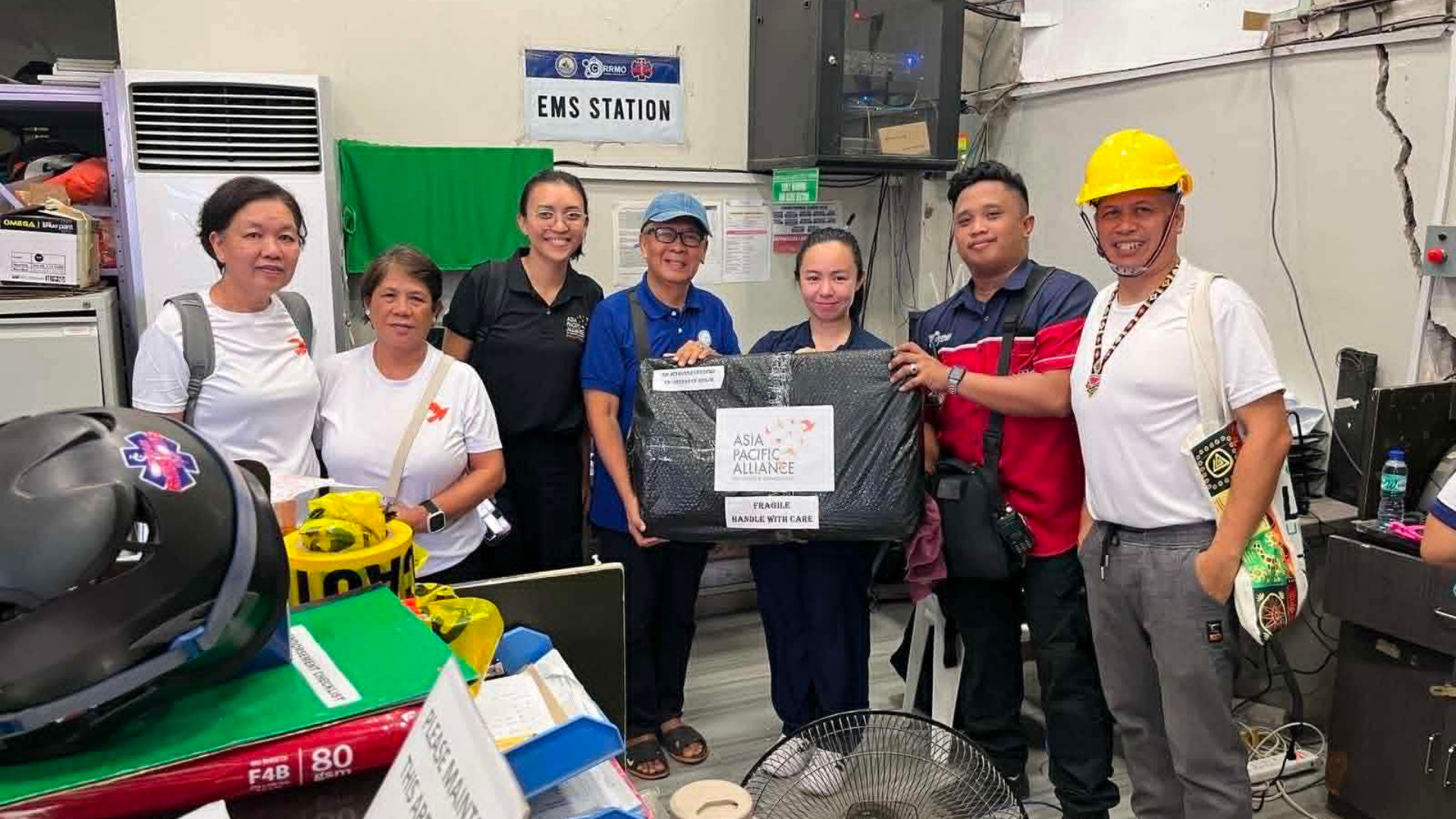
In the aftermath, A-PAD PH Mindanao Program staff Princess Loren Dompor and HRN volunteers Arneth Versonda, Aldrin Dais, Diana Santos, and Jun Cudera sought out General Santos City from Davao City to conduct rapid assessments, coordinate with local government units. With support from Unconnected.org, they also deployed Starlink connectivity systems at the General Santos City Disaster Risk Reduction and Management Office (CDRRMO) and City Health Center– restoring reliable communication for responders coordinating rescue and relief operations.
“Agad-agaran nag-call for donations, nag-ayos ng logistics ang bawat (college) department to aid ‘yung affected areas’ (each college department called for donations and organized the logistics to aid affected areas),”Ugarte recounted. Long-standing partner Holy Trinity College of General Santos City campaigned immediately for the needs of nearby communities– reaching families in Glan, Sarangani.
In the spirit of volunteerism, Dais has long been active in lending a hand during disasters for a decade now– from conflicts to typhoons. Going beyond material relief efforts, he saw the psychosocial needs of children and adults– observing the anxiety that lingered after the earthquake.
“That’s really the urgent need of the community– to debrief them, to process them,” he observed. As an educator, he also took the chance to facilitate psycho-social support especially for children across Davao and Sarangani regions through games, sports, and art “to let them express, to let them release the tension,” he added.
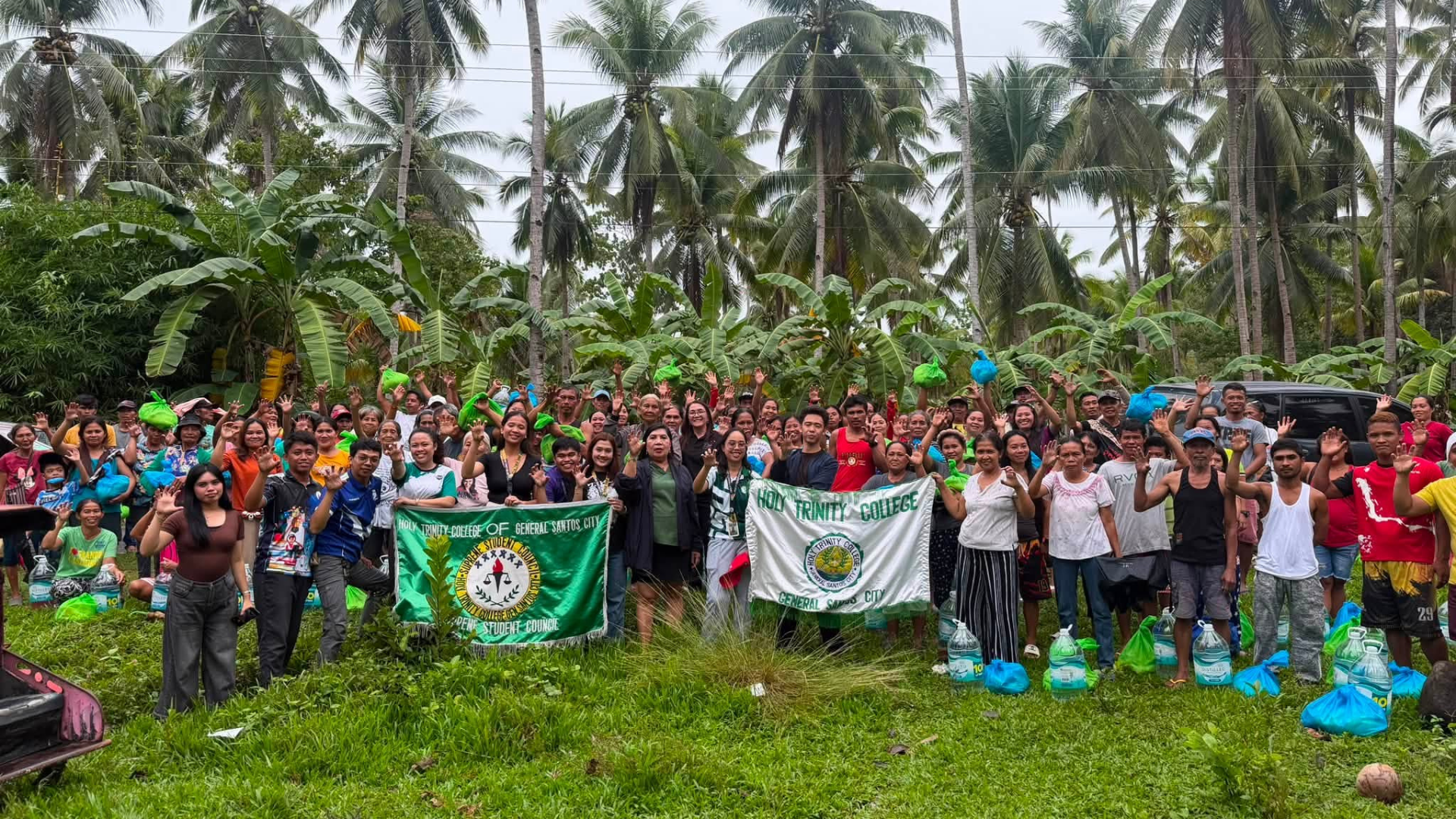
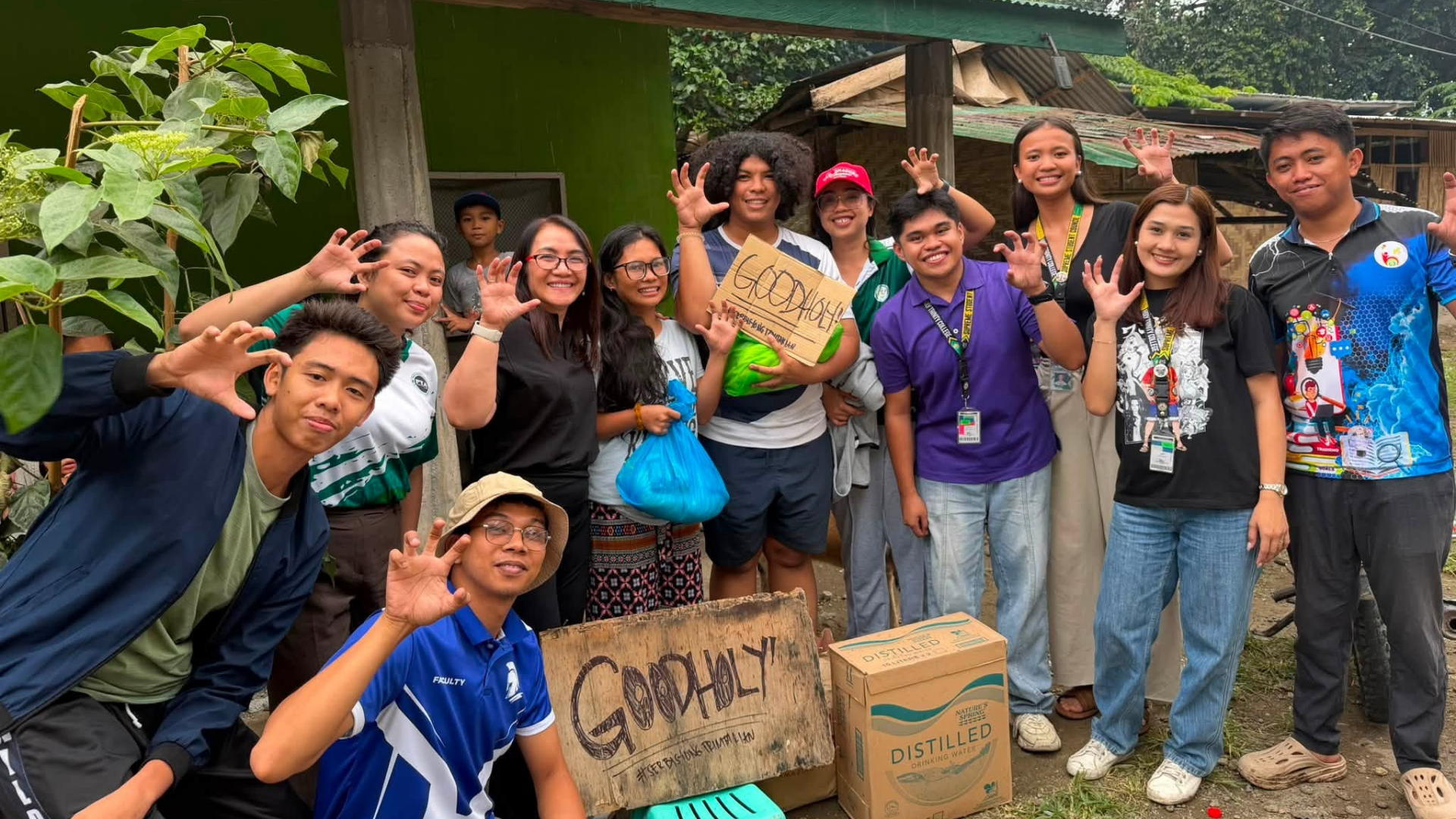
Weeks after the earthquake, humanitarian efforts continue as communities recover from the disaster. After tracking interventions and identified priority needs, A-PAD Philippines sought to aid more than 650 families from Maasim, Sarangani last July 25-26, 2026. Together with the Maasim Disaster Risk Reduction and Management Office and the A-PAD PH Human Resource Network (HRN) SOX Volunteers, the relief operations provided communities with hygiene kits and plastic sheets for temporary shelters to assist recovery.
For both Dais and Ugarte, the earthquake has displayed the enduring compassion and commitment to serve wherever help is needed. Within and outside their communities, volunteers embody the Filipino values of bayanihan and kapwa that strengthen disaster response.
“There should be oneness whatever culture, race, tradition, and religion you may have as one community. You need to get along with one another to listen, to talk, to share,” Dais reflected on community solidarity. As the road to recovery continues, both volunteers hope to share the spirit of service.
“Huwag kayong mahiya maging volunteer (do not be diffident about volunteering), ” Ugarte encouraged. “Huwag niyong hayaang mahadlang nito ang inyong pag-volunteer (do not let it hinder you from volunteering.)”
Because in every disaster, recovery is not built by individuals– it is made possible collectively by our kapwa who choose to step forward.